These Are the Handbags People Are Choosing This Season
Introduction and Article Outline
This season’s handbag conversation feels especially relevant because accessories are being asked to do more than simply look attractive. People want a bag that works for commuting, social plans, travel days, and polished office outfits without feeling overdesigned or disposable. That shift has pushed versatile silhouettes, tactile materials, and thoughtful compartments to the front. Understanding these changes makes shopping easier and helps everyday styling feel more intentional.
Handbags have always been practical objects, yet fashion gives them another job: they tell a story before a person says a word. A crisp top-handle bag suggests structure and confidence. A slouchy shoulder shape feels relaxed, lived-in, and quietly modern. When a season develops a clear direction, bags often reveal it faster than clothing because they move between wardrobes, age groups, and occasions with unusual ease.
At heart, this guide offers An overview of handbags people are choosing this season, focusing on design trends and versatile styling. That means looking beyond runway excitement and asking more useful questions. Which shapes are appearing most often? Which finishes feel current without becoming difficult to wear six months from now? Which bag styles can handle an office day, a dinner reservation, and a grocery run without seeming misplaced?
Here is the roadmap for what follows: • first, the broader design language shaping the season; • next, the specific bag styles gaining the most attention; • then, practical advice for styling handbags with everyday outfits; • finally, a grounded conclusion on choosing bags that fit real routines rather than fantasy wardrobes. The goal is not to declare a single must-have item. It is to help readers recognize the patterns behind current choices so they can decide what deserves space in their closet.
That approach matters because the best handbag purchase is rarely the loudest one. It is the bag that supports a lifestyle, complements several outfits, and still feels appealing after the initial rush fades. Like a well-placed lamp in a room, a good handbag changes the atmosphere without demanding all the attention. This season, the most compelling options do exactly that: they bring shape, texture, and confidence while staying surprisingly wearable.
The Design Trends Shaping Handbags This Season
Several handbag trends are standing out at once, but they are connected by a common thread: usefulness has become fashionable again. Shoppers are responding to silhouettes that feel considered rather than chaotic, and that preference has influenced everything from size to hardware. Roomier bags are having a strong moment, especially soft totes and elongated shoulder designs, because they answer the needs of modern routines. Many people carry water bottles, notebooks, chargers, cosmetics, and sometimes even a laptop, so bags with actual capacity are winning attention. Tiny novelty bags still appear in fashion imagery, yet they function more like punctuation than everyday tools.
Shape is one of the clearest markers of the season. East-west bags, defined by their long horizontal line, look sleek and slightly retro without feeling costume-like. Crescent bags continue to perform well because their curved silhouette sits comfortably under the arm and softens tailored clothing. Structured top-handle designs remain relevant too, especially in medium sizes that avoid stiffness while still looking polished. In comparison, heavily embellished shapes are more selective purchases; they may be exciting for evening use, but they are less adaptable across multiple settings.
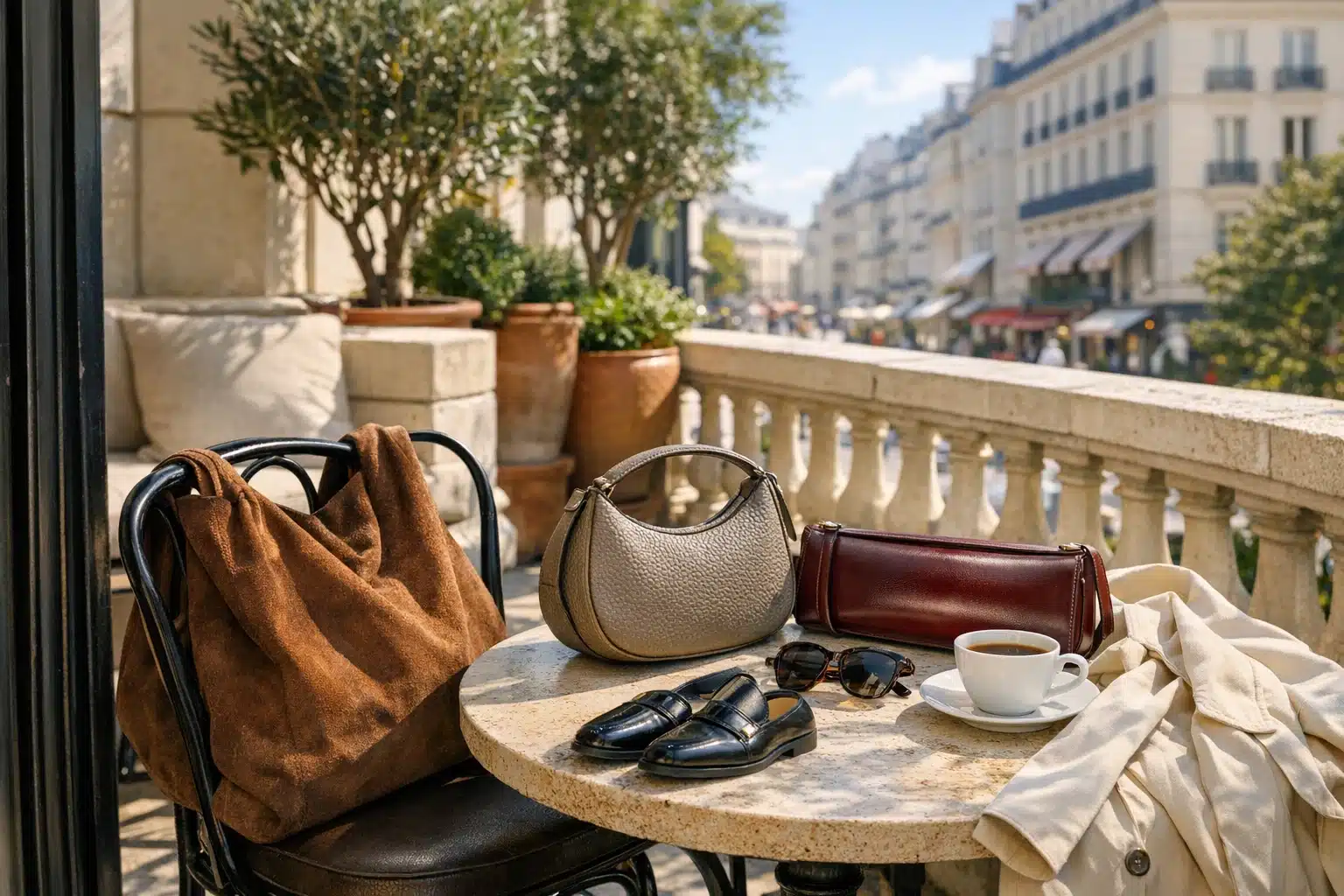
Material also plays a major role. Suede has returned in a noticeable way because it adds depth and warmth, especially in brown, olive, tobacco, and muted burgundy. Pebbled leather and grained finishes remain popular for practical reasons: they hide scratches more effectively and often age more gracefully than very smooth surfaces. Woven textures, canvas trims, and mixed materials offer visual interest, though they usually feel most convincing when the palette stays restrained. The season favors touchable surfaces, the kind that make a bag feel personal rather than purely decorative.
Color choices are similarly grounded. Black is never absent, but rich neutrals are competing strongly with it. Chocolate, espresso, stone, taupe, deep tan, and dark cherry all feel contemporary because they add softness without sacrificing versatility. Metallic silver and muted gold appear mainly as accents, while bright color pops tend to work best in smaller bags or seasonal purchases. The overall effect is refined rather than flashy.
Other details worth noticing include: • adjustable straps that allow shoulder and crossbody wear; • lighter hardware instead of heavy ornament; • exterior pockets for quick access; • softer construction that molds naturally to the body. Together, these features explain why current handbag trends feel both stylish and realistic. The season is not asking people to choose between beauty and utility. It is rewarding designs that understand both.
Popular Bag Styles and How They Compare
If design trends set the mood, popular bag styles translate that mood into specific choices. This season, a handful of silhouettes keeps surfacing because each serves a distinct role in a wardrobe. The large tote, the shoulder bag, the crossbody, the top-handle satchel, and the compact evening bag all remain important, but they are being selected with sharper priorities than before. Instead of collecting random shapes, many shoppers are building a small rotation in which every bag answers a different need.
The tote is arguably the backbone of the current moment. It suits office commutes, travel days, and busy schedules because it offers capacity without looking purely utilitarian. A soft leather or structured canvas tote can carry daily essentials, a cardigan, and a tablet in one move. Compared with smaller handbags, the tote creates a more grounded look, especially with tailored trousers, trench coats, and loafers. Its only drawback is organization; a beautiful open interior can quickly turn into a jumble unless smaller pouches or compartments are included.
Shoulder bags occupy the middle ground between elegance and convenience. A sleek shoulder shape, especially one tucked neatly under the arm, reads refined without seeming formal. This style often works better than a tote for dinners, meetings, and city errands because it appears lighter and more intentional. East-west shoulder bags, crescent styles, and slim baguette-inspired shapes all fit within this category, though each creates a different effect. The east-west silhouette looks sharp and modern, while the crescent feels relaxed and easy. The baguette-adjacent version leans more nostalgic and fashion-aware.
Crossbody bags remain essential because hands-free function never goes out of demand. They are especially useful for travel, public transport, markets, and weekends when mobility matters more than visual drama. Compared with shoulder bags, crossbodies feel more casual, but material choice can shift that impression. Smooth leather and cleaner lines elevate them quickly. Nylon and technical fabrics make them sportier. A well-designed crossbody often becomes the most used bag in a closet simply because it asks so little from the wearer.
Top-handle satchels and compact structured bags serve a different purpose. They bring definition to softer outfits and can make simple clothing look more deliberate. Picture a plain knit dress, flat boots, and a neat top-handle bag: suddenly the outfit has architecture. For evenings, smaller bags with subtle shine, sculptural hardware, or a special texture provide contrast without requiring a full outfit change.
A practical way to think about the main styles is this: • totes handle volume; • shoulder bags balance polish and ease; • crossbodies maximize movement; • top-handle bags sharpen an outfit; • compact occasion bags finish dressed-up looks. The most popular styles this season are not competing for the same job. Their appeal lies in how clearly each one solves a different styling problem.
Everyday Handbag Styling That Actually Works
Styling a handbag well is rarely about making it the loudest piece in an outfit. More often, it is about creating visual rhythm between proportion, texture, and purpose. The easiest way to start is by matching the bag’s character to the day’s clothing mood. A slouchy tote works beautifully with relaxed tailoring, denim, oversized shirting, and soft knits because the lines speak the same language. A sharply structured bag, on the other hand, complements cleaner shapes such as straight trousers, fitted blazers, column skirts, or a simple sheath dress.
Scale matters more than many people realize. A very small bag paired with a bulky coat can look visually lost, while an oversized carryall with a delicate summer dress may overpower the outfit unless the look intentionally plays with contrast. This is why medium-size handbags are so reliable: they connect with a wide range of silhouettes without distorting the balance. If your wardrobe includes many wide-leg trousers, long coats, and layered outfits, a medium or large bag usually feels more harmonious. If you wear cropped jackets, lighter fabrics, or slimmer shapes, compact shoulder bags tend to look especially clean.
Color coordination does not need to be rigid. Exact matching can appear dated if it feels too calculated. A better approach is to create relationships across the outfit. For example, a chocolate suede bag pairs naturally with cream denim, camel knitwear, olive outerwear, or dark indigo jeans because all those tones share warmth and depth. A black bag looks crisp with monochrome dressing, grey tailoring, or white shirting, yet it can also ground softer palettes like dusty blue or muted pink. Metallic hardware can echo jewelry, watches, or belt details without requiring identical finishes.
Texture is where styling becomes memorable. Smooth leather against a wool coat feels precise. Suede with denim feels softer and more dimensional. Woven or canvas elements can lighten the mood of tailored clothing, making an outfit appear less formal and more lived-in. Sometimes the bag is not the main actor at all; it is the soundtrack, subtly changing the scene.
For everyday use, try these practical combinations: • a large tote with a trench coat, straight jeans, and loafers for work and errands; • a crescent shoulder bag with a white T-shirt, relaxed trousers, and sneakers for a modern off-duty look; • a compact top-handle bag with a knit dress and ankle boots for an easy dinner outfit; • a crossbody with a blazer, denim, and flats for hands-free city movement. Good handbag styling feels convincing when the bag seems chosen for the life being lived, not for a photograph alone.
Conclusion: Choosing the Right Handbag for Your Life This Season
For most readers, the smartest handbag strategy this season is not to chase every new silhouette. It is to identify the shapes that support how you actually move through a week. Someone who commutes, carries tech, and needs flexibility will probably get more value from a refined tote or a roomy shoulder bag than from a tiny statement piece. Someone whose days involve walking, travel, or constant transitions may lean naturally toward a polished crossbody. A person who dresses minimally and wants outfits to look sharper may find that one excellent structured bag changes everything.
This is why handbag shopping works best when it begins with routine rather than impulse. Ask a few simple questions. Does the bag fit your essentials without strain? Can it be worn with at least several outfits you already own? Is the strap comfortable? Does the opening allow easy access? Does the material suit your climate, habits, and tolerance for maintenance? These questions may sound unglamorous, yet they often separate a beloved purchase from one that spends most of its life on a shelf.
It also helps to think in terms of wardrobe roles. One dependable daytime bag, one hands-free option, and one smaller polished style are often enough for many people. Anything beyond that can be more expressive and seasonal. If budget matters, prioritize material quality, stitching, closure security, and comfort over trend-heavy decoration. A beautiful bag should still be able to survive daily contact with desks, car seats, café floors, and changing weather.
Care deserves a brief mention because longevity is part of style. Store bags filled lightly so they keep their shape. Rotate use when possible. Protect suede thoughtfully. Clean interiors before receipts and lip balm become permanent residents. These simple habits extend the life of a bag and make a purchase feel more worthwhile.
The audience for this topic is not looking for fantasy fashion alone; it is looking for guidance that turns trends into useful choices. This season’s most appealing handbags succeed because they combine practicality with personality, allowing people to dress with ease while still expressing taste. When a bag carries what you need, works with what you wear, and adds confidence without effort, it stops being an accessory and becomes part of the rhythm of everyday life.