These Are the Cuff Bracelets People Are Choosing This Season
The Season at a Glance: Why Bracelet Trends Matter Now
Bracelets are having a particularly interesting season because they are doing two jobs at once: finishing an outfit and expressing personal taste without requiring a full jewelry overhaul. Cuffs are returning in polished, sculptural forms, minimalist pieces are getting sharper and more intentional, and statement designs are balancing drama with practicality. Together, these shifts show how modern accessories are moving toward fewer, smarter, and more adaptable choices.
That matters because jewelry trends no longer move in a single direction. For years, style cycles pushed people toward either barely-there pieces or oversized accessories with obvious visual impact. This season, the line between those two worlds is softer. A clean metal cuff can feel minimalist in one outfit and bold in another. A wide resin bracelet can read artistic rather than loud. Even delicate bangles are being styled with more purpose, often in small curated stacks instead of random layering. The result is a bracelet market that rewards thoughtfulness more than excess.
Here is the outline for the article, designed to make the topic practical rather than vague:
• First, a look at why bracelets, especially cuffs, are back in focus and how the season is shaping demand.
• Second, a close study of cuff bracelet trends, including finish, width, shape, and styling flexibility.
• Third, an exploration of minimalist jewelry styles and why restrained design still feels modern.
• Fourth, a review of statement bracelet designs that add personality without overwhelming an outfit.
• Fifth, a conclusion aimed at shoppers and style-conscious readers who want to build a bracelet wardrobe that feels current, wearable, and personal.
There is also a cultural reason these styles are resonating. Clothes have become more mixed in mood: relaxed tailoring, soft knits, denim, and occasion pieces often sit side by side in the same wardrobe. Bracelets work well in that environment because they can shift between settings without much effort. A cuff can sit beside a crisp shirt cuff at work, then catch evening light at dinner. A minimal chain can be worn daily without asking for attention. A statement piece can rescue a simple black dress from predictability. In other words, bracelets are not just trending; they are solving real styling problems. That is exactly why they deserve a more careful look this season.
Cuff Bracelet Trends This Season: Sculpture, Shine, and Easy Versatility
An overview of cuff bracelets people are choosing this season, focusing on design trends and versatile styling.
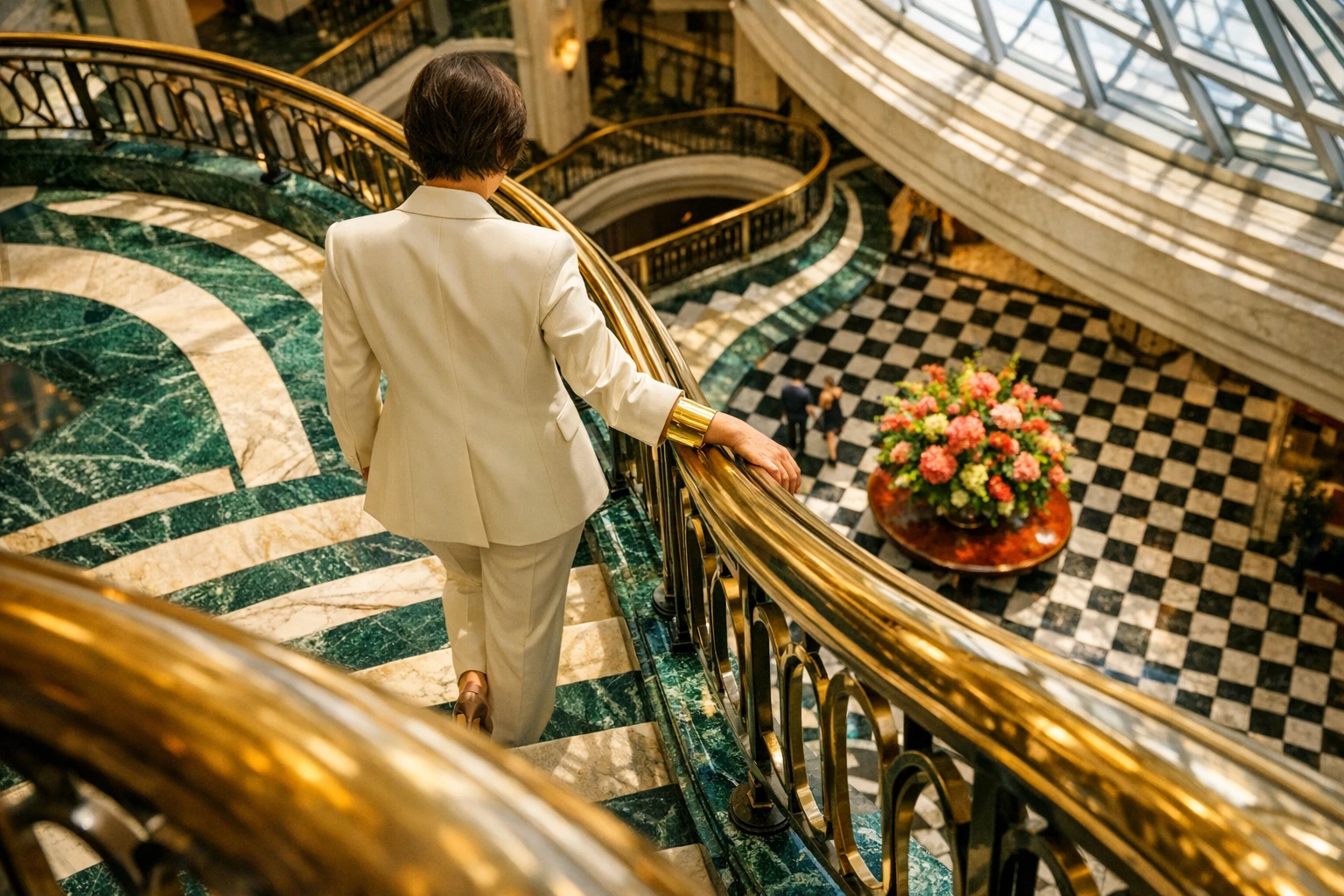
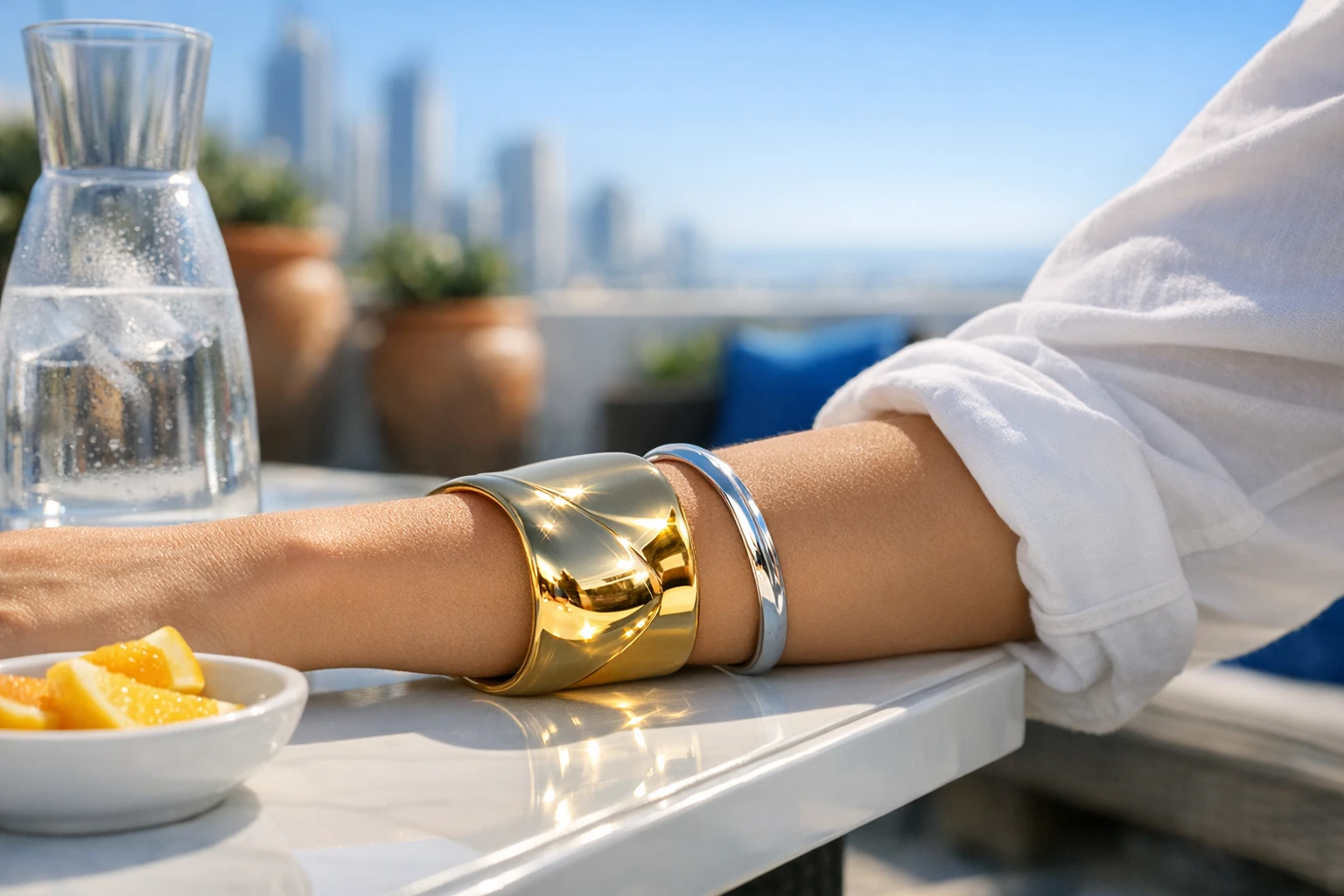
Cuff bracelets are standing out because they deliver visible structure with very little effort. Unlike stacks of slim bangles or charm-heavy pieces, a cuff usually works as a single decisive gesture. This season, the strongest designs lean into sculptural simplicity. Open-ended silhouettes are especially popular because they are easy to slip on, easier to adjust than rigid closed bracelets, and visually clean. Many current cuffs also use curved profiles that follow the wrist more closely, which makes them feel refined rather than stiff.
Three design directions appear again and again in current assortments and styling edits:
• Polished metal cuffs in gold-tone, silver-tone, or mixed metal finishes, often with mirror-like surfaces that reflect light cleanly.
• Organic cuffs with irregular edges, wave forms, molten textures, or asymmetrical openings that look slightly hand-shaped.
• Wide cuffs with a confident profile, sometimes softened by brushed finishes, cutout details, or a tapered shape that keeps them wearable.
What makes these cuffs feel current is not only the silhouette but also the restraint behind it. Designers and shoppers alike seem less interested in bracelets that rely on obvious logos or crowded decoration. Instead, the appeal comes from proportion, contour, and material. A thick cuff in a matte finish can feel architectural. A narrow oval cuff can feel understated and modern. Hammered textures bring warmth and visual movement, while smooth finishes look sharper against tailoring and eveningwear.
Styling versatility is another reason cuffs are doing so well. They work with short sleeves, sleeveless tops, rolled shirt cuffs, and knitwear pushed slightly above the wrist. They also play well with watches, though many people are treating the cuff as a replacement rather than a companion piece. A single bracelet worn alone often looks more intentional than several competing items. For those who prefer layering, pairing one medium-width cuff with a slim chain bracelet can add complexity without clutter.
Color and finish matter too. Yellow gold remains a dependable choice for warmth and softness, silver feels crisp and urban, and mixed metal cuffs can bridge wardrobes that contain both. Resin, enamel, and wood-influenced finishes are also entering the conversation, especially for readers who want a cuff with more personality but not the weight of heavy metal. The common thread is clear: the season favors cuffs that look strong, feel wearable, and shift easily from everyday use to more dressed-up settings.
Minimalist Jewelry Styles: Quiet Details with Real Staying Power
Minimalist jewelry remains relevant because it has evolved beyond the old idea of “so small it disappears.” This season’s best minimalist styles are still clean and restrained, but they carry more intent. Instead of fading into the background, they sharpen an outfit through proportion, finish, and placement. That subtle shift is important. Minimalism now feels less like absence and more like editing: keeping only the details that genuinely improve the whole look.
In bracelet design, that often means slim cuffs, fine chains, narrow bangles, and smooth oval forms. These pieces work because they create a line on the body without interrupting the outfit. They are especially effective with modern wardrobes built around pieces such as crisp shirts, monochrome knit sets, straight-leg denim, fine tailoring, and simple dresses. A minimal bracelet adds punctuation, not noise. When the metal is polished and the shape is precise, even a small piece can look remarkably deliberate.
Some of the most relevant minimalist directions this season include:
• Thin cuffs with slightly squared edges, which feel cleaner than fully rounded classic bangles.
• Delicate chain bracelets with one focal detail, such as a small bar, bead, or geometric link.
• Oval bangles that sit close to the wrist and look tidy under sleeves.
• Pieces with soft matte finishes, which create a gentler, more contemporary effect than high shine in casual settings.
The appeal is practical as well as aesthetic. Minimalist bracelets are easier to repeat, and repeat wear matters. Many people want accessories they can wear three or four times a week, not just once a month. That makes comfort, clasp design, weight, and durability more significant than trend language alone. A bracelet that catches on knitwear, feels too rigid for typing, or twists constantly on the wrist may look elegant in a product photo but will not become a real favorite. The best minimalist styles solve those issues through thoughtful engineering and balanced proportions.
There is also an emotional reason these designs continue to resonate. In a crowded visual culture, minimal jewelry offers relief. It suggests clarity, self-knowledge, and a calm kind of confidence. It does not need to announce itself loudly to feel considered. That is why minimalist pieces often become the foundation of a jewelry wardrobe. They leave room for personal expression, combine easily with other accessories, and rarely look tied to a single moment. Far from being plain, minimalist bracelet styles are often the most strategic choices a shopper can make.
Statement Bracelet Designs: Bold Form, Texture, and Personality
If minimalist bracelets are about precision, statement bracelets are about presence. This season, however, presence does not necessarily mean excess. The most compelling statement designs are bold in shape, scale, texture, or color, yet they are still edited enough to feel wearable. Instead of piling on multiple dramatic details at once, many standout bracelets focus on one strong idea and let that idea lead. A thick resin bangle, a heavily textured metal cuff, or a carved silhouette can say more than a crowded stack ever could.
One reason statement bracelets are resonating right now is that clothing has become simpler in many everyday wardrobes. Neutral tailoring, plain knitwear, denim, and single-color dresses leave space for accessories to do more visual work. A statement bracelet can transform an outfit without asking for a change in silhouette. It can also frame the hand and sleeve line in photographs, which partly explains its appeal in image-driven style culture. The wrist is a small area, but it is surprisingly effective for showing character.
Current statement directions include:
• Wide cuffs with sculpted curves that look almost like wearable objects.
• Chunky bangles in resin, lucite-inspired materials, wood, or ceramic-like finishes.
• Textural metal pieces with hammered, braided, ridged, or woven-looking surfaces.
• Color-forward bracelets in deep tortoiseshell tones, creamy ivory shades, saturated jewel colors, or glossy black.
The difference between sophisticated drama and visual overload often comes down to styling discipline. One large bracelet can anchor a look beautifully. Two or three competing statement pieces, especially near the face and wrist, can start to feel crowded. A useful rule is to decide where you want attention to land. If the bracelet is the star, earrings can be smaller and the neckline simpler. If sleeves are full or patterned, a sleek bold cuff often works better than a heavily embellished piece. Texture should also be balanced: polished metal against matte fabric creates clarity, while rough texture against rough texture can sometimes feel muddy.
Statement designs are also more varied than the term suggests. Some are artistic and fluid, others sharp and geometric, others playful and retro. That range means a reader does not need to love maximalism to enjoy the category. The right statement bracelet is not simply bigger; it is more specific. It tells a story about taste, whether that story leans modern, vintage-inspired, sculptural, bohemian, or sleekly urban. In that sense, statement bracelets are less about attention-seeking and more about intention made visible.
Conclusion for Jewelry Shoppers: How to Choose the Right Bracelet for Your Style This Season
For readers deciding what to buy, the most useful takeaway is simple: this season rewards clarity. You do not need an overflowing jewelry box to look current. You need a bracelet or two that match the way you actually dress, feel good on the wrist, and offer enough versatility to justify frequent wear. Cuffs are ideal for people who want one polished piece with immediate impact. Minimalist styles suit those who prefer subtle refinement and easy repetition. Statement bracelets work best for anyone who likes to let accessories carry the mood of an outfit.
Before choosing, it helps to ask a few practical questions:
• Do you want a bracelet for everyday use, occasional styling, or both?
• Does your wardrobe lean tailored, relaxed, romantic, artistic, or mixed?
• Do you usually wear warm metals, cool metals, or a combination?
• Are you more comfortable with a bracelet that hugs the wrist, or one that moves slightly?
• Will you wear it alone, with a watch, or layered with other pieces?
These questions matter because good jewelry decisions are rarely only about trend adoption. They are about fit between object and lifestyle. A polished cuff can be stunning, but if your day is filled with keyboard work, childcare, commuting, or frequent sleeve changes, shape and comfort become just as important as appearance. A delicate bracelet may look elegant, but it should still feel substantial enough to survive regular use. A statement piece should feel like an extension of your wardrobe, not a costume you admire but avoid wearing.
If you are building from scratch, start with one medium-width cuff or one clean minimalist bracelet in a finish you already enjoy wearing. Then consider adding a contrasting second piece: perhaps a slim chain if your first choice was structured, or a sculptural cuff if your collection is mostly delicate. That creates range without clutter. Over time, a good bracelet wardrobe becomes less about quantity and more about coverage: something subtle, something polished, something expressive.
The target audience for this season’s bracelet trends is not limited to fashion enthusiasts. It includes busy professionals, casual dressers, occasion shoppers, and anyone trying to make their wardrobe feel fresher with minimal effort. For all of them, the message is encouraging. Today’s bracelet trends are wearable, adaptable, and open to interpretation. Choose the shapes that feel natural, the finishes that suit your clothing, and the designs you will reach for without hesitation. That is where style becomes personal, and where jewelry starts to earn its place.