These Are the Cuff Bracelets People Are Choosing This Season
Introduction and Article Outline: Why Bracelets Matter Again
This season’s bracelet conversation is not really about buying more pieces; it is about choosing smarter ones that can shift with different outfits, moods, and occasions. Cuff styles are drawing attention for their sculptural ease, minimalist jewelry is showing how restraint can still feel distinctive, and statement designs are turning wrists into focal points again. Together, these directions reveal how accessories can sharpen personal style without overwhelming it.
Across current retail edits, social styling content, and designer presentations, bracelets are no longer being treated as afterthoughts. They are used to define the tone of a look in much the same way as shoes or bags. A clean metal cuff can make a plain shirt feel intentional. A slim minimalist bracelet can soften tailoring without adding clutter. A dramatic resin or sculptural piece can do what a bright lipstick once did: shift the mood in a second. That is why this topic matters now. People are building smaller, more considered wardrobes, and jewelry has become one of the easiest ways to create variation without replacing everything else.
To make the article easy to follow, here is the outline that guides the discussion:
- An overview of cuff bracelets people are choosing this season, focusing on design trends and versatile styling.
- A close look at minimalist jewelry styles and the details that make them feel polished rather than plain.
- An exploration of statement bracelet designs, from oversized silhouettes to texture-rich finishes and color.
- Practical comparisons that show when each style works best and how different wearers can adapt them.
- A concluding guide for readers who want to choose pieces that suit their wardrobe, budget, and daily routine.
The common thread running through all of these sections is versatility. Today’s bracelet trends are less about strict rules and more about balance. You can pair a wide cuff with a crisp cotton shirt, or wear a narrow, barely there bracelet with knitwear, denim, or occasion dressing. You can even mix quiet pieces with louder ones, provided shape and scale stay under control. Think of the wrist as a small stage. Some days it needs a whisper, other days it needs a line delivered with perfect timing. Understanding that difference is what turns trend awareness into personal style.
Cuff Bracelet Trends This Season: Shape, Finish, and Everyday Wearability
Cuff bracelets are standing out this season because they combine structure with ease. Unlike chain bracelets, which can feel delicate or secondary, cuffs hold their form and immediately register as part of the outfit. The strongest versions currently being chosen tend to fall into a few clear categories: slim open cuffs in polished metal, medium-width styles with a brushed or hammered finish, and bold sculptural pieces that curve like wearable design objects. These options appeal to different wardrobes, yet they share the same advantage. They are easy to put on, easy to notice, and often easier to style than heavily detailed jewelry.
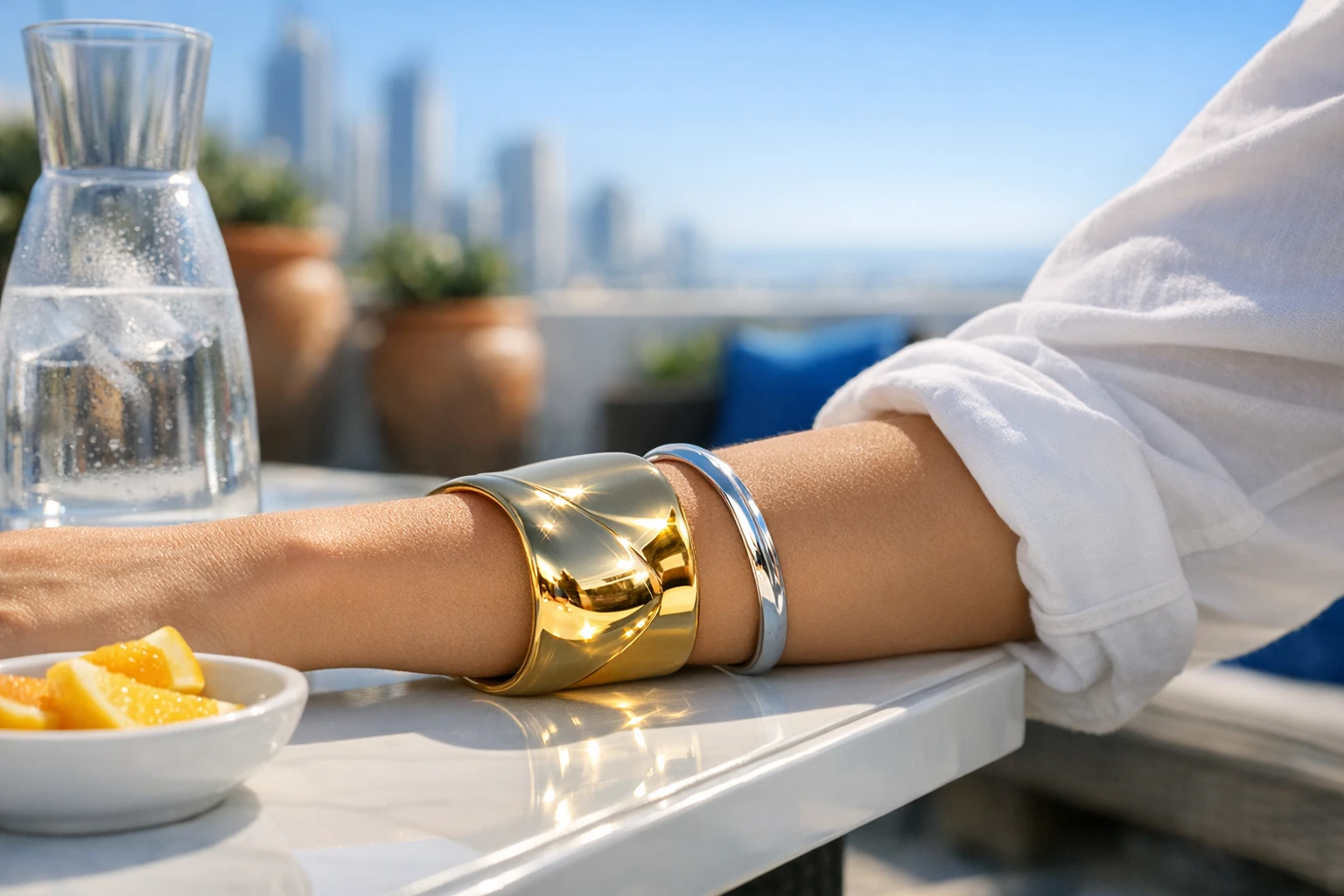
Material choice plays a major role in how modern a cuff feels. Yellow gold tones remain popular, but cooler silver finishes have gained momentum because they read clean, architectural, and slightly sharper. Mixed metals are also appearing more often, especially for people who do not want to commit to a single jewelry family. In practical terms, that makes a cuff more flexible. A two-tone design can sit beside silver rings, gold earrings, or a steel watch without creating visual friction. Texture matters too. High-shine cuffs feel dressier and more refined, while matte, lightly distressed, or hand-hammered surfaces give off an artisanal quality that works well with linen, denim, and other tactile fabrics.
Design details are becoming more thoughtful rather than simply decorative. Shoppers are responding to:
- open-ended cuffs that adjust comfortably on the wrist
- slightly asymmetrical shapes that feel artistic without being hard to wear
- negative-space designs that look lighter than their width suggests
- hinged cuffs that offer a cleaner fit for people who dislike forcing metal over the hand
- subtle embellishment, such as a single stone, enamel edge, or engraved line
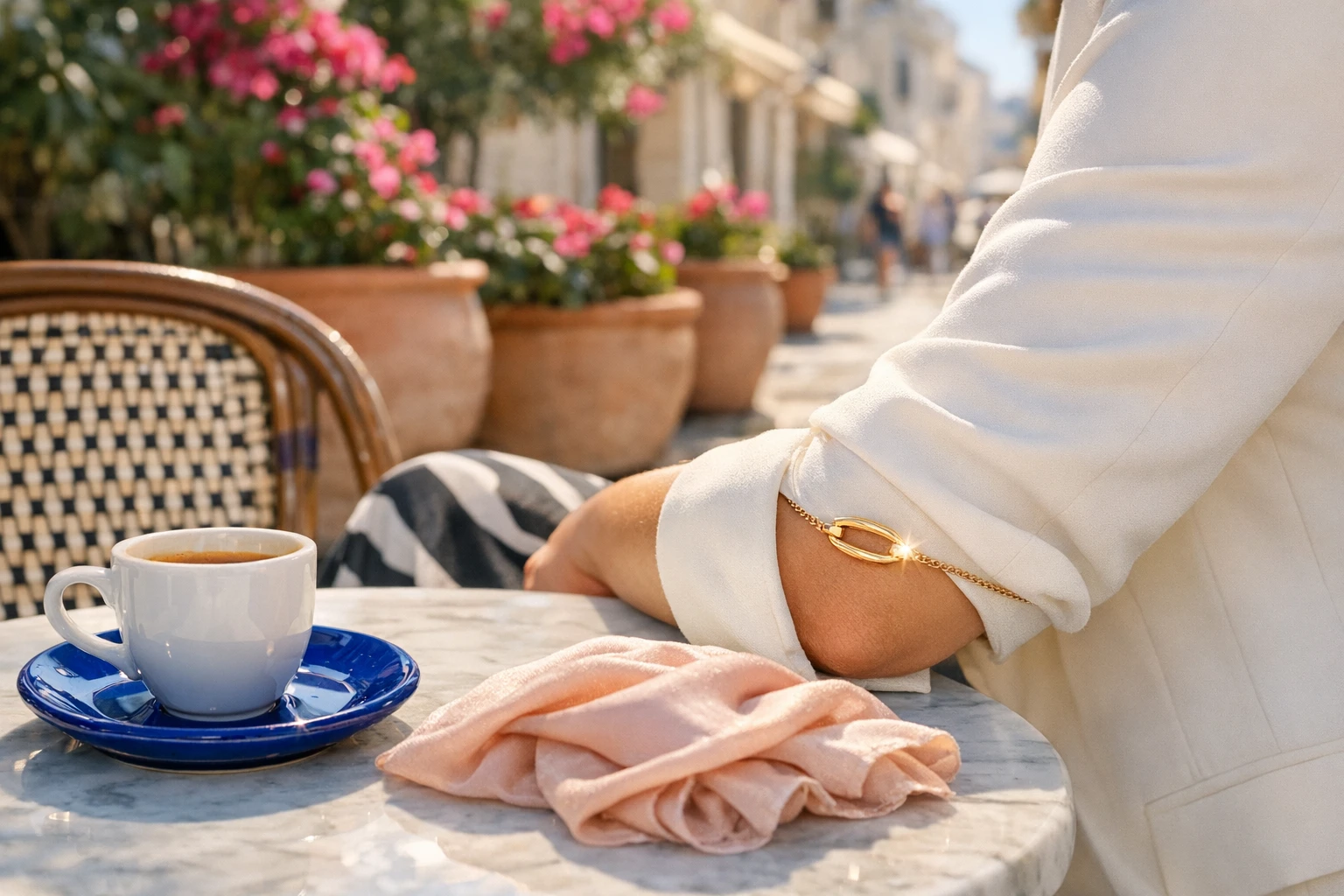
Styling versatility explains much of the trend’s strength. A narrow cuff disappears neatly under a blazer sleeve and works in office settings where heavy jewelry might seem distracting. A broader version can sit over a knit cuff or next to a rolled shirt sleeve for a more fashion-forward effect. Even casual outfits benefit from one. With a white T-shirt and tailored trousers, a metal cuff introduces finish and clarity. With a simple dress, it can replace a necklace altogether. The best seasonal cuffs feel current not because they are loud, but because they understand proportion. They know when to frame the hand, when to echo the line of a sleeve, and when to catch the light just enough to be remembered.
Minimalist Jewelry Styles: Quiet Design with Lasting Appeal
Minimalist jewelry styles continue to attract attention because they solve a modern wardrobe problem: how to accessorize without creating noise. In clothing, many people are choosing streamlined silhouettes, neutral palettes, and reliable staples that move across work, travel, and social settings. Jewelry has followed that shift. Rather than competing with the outfit, minimalist bracelets and cuffs are designed to sit in harmony with it. They often rely on clean geometry, fine lines, and small differences in proportion, which means their effect can be subtle yet surprisingly strong.
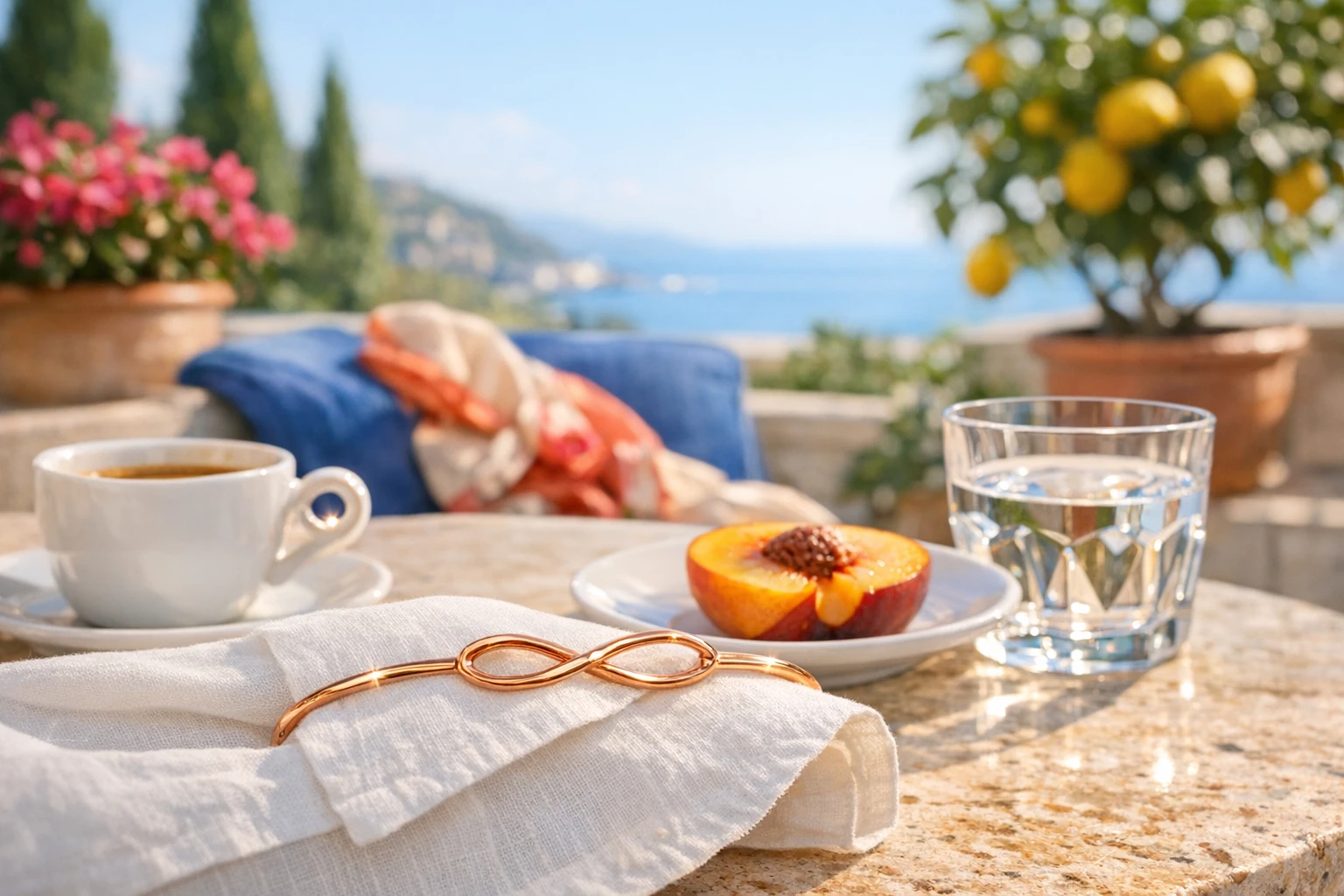
The most effective minimalist bracelet designs usually avoid unnecessary ornament. Thin bangles, smooth oval cuffs, bar bracelets, and barely-there chain hybrids all fit within this space. What separates an elegant minimalist piece from one that feels forgettable is execution. The curve must be intentional, the clasp should work cleanly, and the finish needs to look deliberate rather than unfinished. In other words, minimalism is not the absence of design. It is design with every distraction removed. That is why these styles often reward close attention. A softly rounded silver cuff can look completely different from a flat-edged version, even if both appear simple at first glance.
There is also a practical side to their popularity. Minimalist jewelry tends to integrate easily into daily life. It works with watches, does not snag as often on sleeves, and can stay on through long stretches of the day without demanding adjustment. For readers building a small but useful collection, this category makes sense because one well-chosen piece can serve multiple roles. It can be:
- a weekday staple with tailoring and loafers
- a subtle accent for evening wear when the outfit already has texture or shine
- a layering base for rings, earrings, or a second bracelet
- a reliable travel option because it crosses dress codes with very little effort
Minimalist style is sometimes mistaken for caution, yet that interpretation misses its real charm. The appeal lies in precision. A slim cuff on a bare wrist can look almost like punctuation in a well-edited sentence. It does not need volume to make an impression. It needs proportion, material quality, and the confidence to stop before excess begins. This season, that restraint feels especially relevant. In a market full of fast visual stimulation, jewelry that speaks softly can still hold attention, and often for longer.
Statement Bracelet Designs: Bold Scale, Texture, and Personality
If minimalist jewelry operates through precision, statement bracelet designs work through presence. These are the pieces that enter a look and change its rhythm immediately. This season, statement bracelets are appearing in several forms: oversized cuffs with smooth sculptural curves, stacked resin bangles in rich color, wide metal pieces with hammered or molten-looking surfaces, and mixed-material designs that combine leather, enamel, wood, or semi-precious stones. The variety is broad, but the underlying idea is consistent. A statement bracelet is meant to anchor the styling rather than merely decorate it.
The strongest designs right now are not necessarily overloaded with detail. In fact, many of the most successful statement pieces rely on one dominant idea. It might be scale, such as a cuff that spans a generous portion of the forearm. It might be texture, like a rippled surface that catches light unevenly and creates movement as the wearer gestures. It might be color, especially deep amber, lacquer red, olive, ivory, cobalt, or black, all of which can punctuate otherwise restrained outfits. These choices feel contemporary because they bring visual interest without requiring a full costume approach. One bracelet can do the work of several accessories.
Statement designs are especially useful for people whose clothing stays relatively simple. A monochrome outfit often provides the best background for a large bracelet because it lets the piece read clearly. Good examples include a black knit dress with a single gold cuff, a white poplin shirt with stacked tortoiseshell bangles, or a navy jumpsuit with a bold silver bracelet that introduces contrast. For readers who want impact without confusion, a few guidelines help:
- choose one dominant bracelet if sleeves, prints, or earrings are already expressive
- keep shape in mind, since rounded cuffs feel softer while angular ones look sharper
- match the bracelet’s mood to the outfit, not just its color
- let the piece sit comfortably, because awkward fit undermines drama very quickly
There is also an emotional reason statement bracelets keep returning. They are joyful. They interrupt routine. They can make even an ordinary day feel slightly staged in the best way, as if someone added a dramatic soundtrack to a walk for coffee. That sense of play matters. Fashion does not always need to whisper about practicality. Sometimes it gets to make a vivid entrance, and the wrist turns out to be a very good place for that performance.
Conclusion: How to Choose the Right Bracelet Direction for Your Style
For most readers, the real question is not whether cuff bracelets, minimalist jewelry styles, or statement bracelet designs are in season. It is which of them belongs in a wardrobe that has to function in real life. The answer usually begins with habit. If you dress in clean lines, wear the same metals often, and want jewelry that rarely asks for attention, minimalist bracelets will probably serve you best. If you like structure, appreciate pieces that can stand alone, and want something that works with both casual and polished clothing, cuffs are the most flexible route. If your clothes are simple but your taste leans expressive, a statement bracelet can add personality faster than almost any other accessory.
Fit, finish, and frequency of wear should guide the final decision more than trend pressure. A bracelet that pinches, slides constantly, or catches on sleeves will not become a favorite no matter how current it looks. A piece with a finish that suits your existing jewelry will be easier to reach for. A design that can move between weekday and weekend dressing gives better value than one that only works in photographs. Before buying, it helps to ask a few straightforward questions:
- Will this piece work with at least three outfits I already own?
- Does the scale suit my wrist and the sleeves I wear most often?
- Can I imagine wearing it in ordinary settings, not just special ones?
- Does it add something my current jewelry collection does not already cover?
This season offers a refreshing range rather than a single mandate. You can go sleek, bold, architectural, soft, colorful, or nearly invisible. That freedom is part of what makes bracelet shopping more interesting now than it has been in years. Instead of chasing a rigid formula, readers can think in terms of function and feeling. Some pieces bring calm. Some bring definition. Some bring delight. The smartest choice is the one that matches how you actually dress and how you want to feel when you leave the house. When a bracelet does that, it stops being a trend item and becomes part of your visual language.