These Are the Dresses People Are Choosing This Season
Dresses earn their place in a seasonal wardrobe because they solve two style needs at once: they feel expressive, yet they simplify getting dressed. As weather shifts and routines fill with work, weekends, dinners, and travel, a well-chosen dress can move across settings with only a few accessory changes. That balance of ease and personality makes the topic timely for anyone who wants trend awareness without building a closet around short-lived pieces.
Outline
- How this season’s dress trends are being shaped by comfort, movement, and versatility.
- The popular dress styles appearing most often in wardrobes and retail edits.
- The role of fabrics, colors, prints, and small design details in making a dress feel modern.
- Everyday styling ideas for work, errands, dinners, and casual weekends.
- A practical conclusion for readers who want dresses that feel current and wearable.
The Season’s Dress Mood: Ease, Movement, and Practical Style
An overview of dresses people are choosing this season, focusing on design trends and versatile styling.
The strongest direction in current dress fashion is not excess for its own sake. Instead, many of the most appealing designs combine visual interest with real usability. Retail collections, street style photography, and everyday wardrobes all point to a similar idea: people want dresses that feel easy to wear, adaptable across occasions, and polished without looking overworked. That is why relaxed tailoring, softer fabrics, adjustable waists, and lengths that work with flat shoes are showing up so often. The dress of the moment is less about costume and more about rhythm. It should move well, layer well, and make sense beyond a single event.
One reason this shift matters is that clothing habits have changed over the past few years. Many shoppers now look for pieces that can stretch across multiple parts of life rather than serve one narrow purpose. A dress that works with sandals during the day, a cardigan at the office, and a sleek earring in the evening has obvious value. This season’s trends reflect that demand. Instead of stiff, heavily structured pieces dominating the conversation, there is strong interest in dresses with drape, gathers, wrap elements, tiered skirts, and subtle shaping that accommodates movement. Comfort is not replacing style; it is becoming part of style.
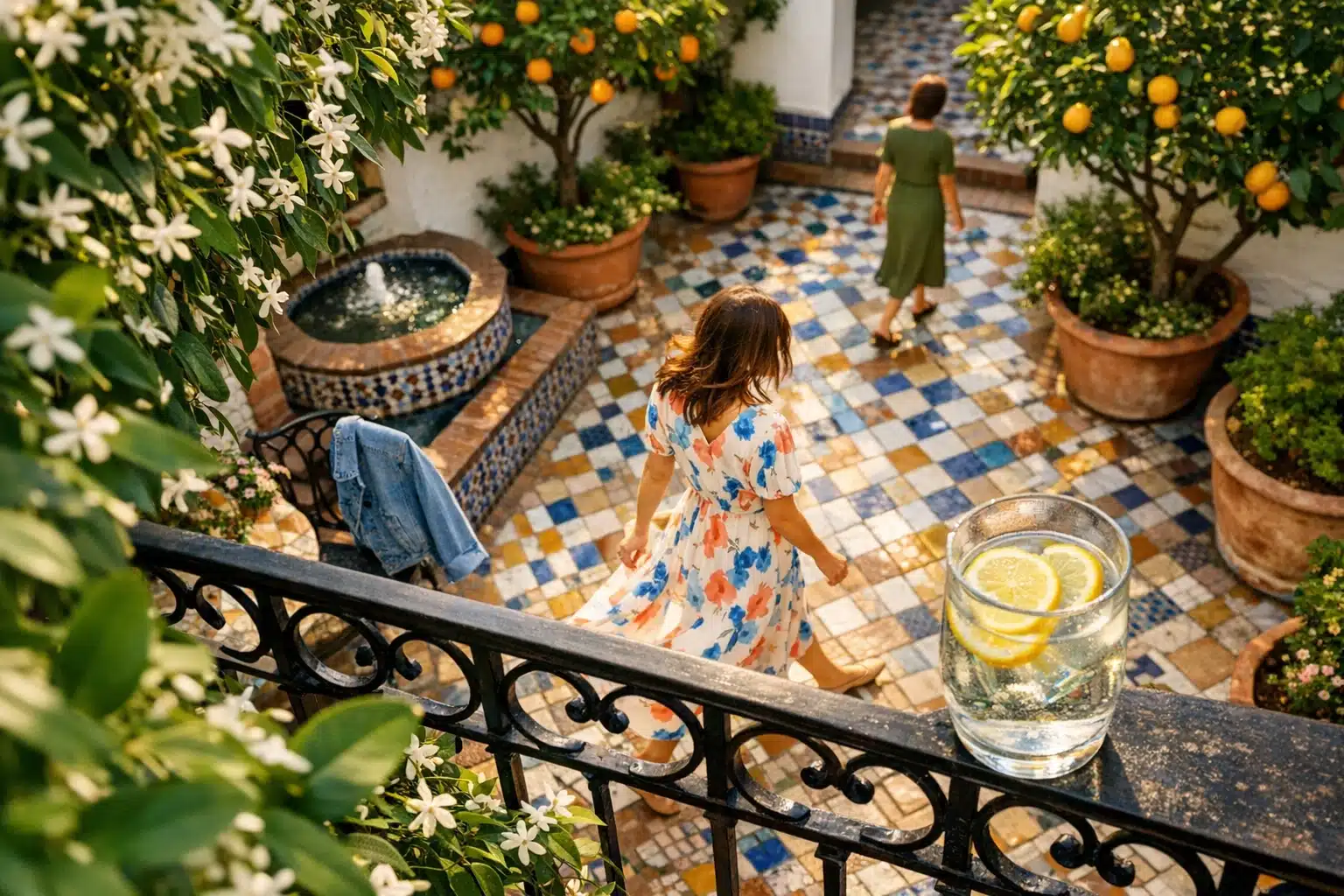
Another notable pattern is the mix of romance and restraint. Dresses may include puff sleeves, soft ruffles, or flowing hemlines, but they are often balanced by clean necklines, neutral colors, or simple accessories. That balance helps trend-led pieces stay wearable. A dramatic sleeve feels easier to adopt when the rest of the silhouette is clean. Likewise, a printed midi dress becomes more versatile when paired with understated shoes and a structured bag. The seasonal mood, in other words, is thoughtful rather than loud.
- Midi and maxi lengths remain popular because they work across temperatures and shoe choices.
- Waist definition appears in many forms, from belts to smocking to wrap ties.
- Soft volume, such as gathered skirts or blouson sleeves, adds shape without reducing comfort.
- Layer-friendly designs are favored because they extend the life of a dress across months.
If there is one clear lesson from this season, it is that practicality has become more stylish, not less. The modern dress is expected to do more than look good on a hanger. It needs to support a real day, a real schedule, and a real person with places to be. That is precisely why the best trends feel approachable: they invite creativity without demanding inconvenience.
Popular Dress Styles Defining Everyday Fashion Right Now
When people talk about popular dress styles this season, a few silhouettes appear again and again because they solve familiar wardrobe problems. The shirt dress, the wrap dress, the slip dress, the knit dress, and the tiered midi all continue to attract attention, but they do so for different reasons. Some offer polish, some offer comfort, and some act like blank canvases for styling. Understanding those differences makes shopping much easier, especially when many dresses can look similar online at first glance.
The shirt dress remains one of the most dependable choices for readers who want structure without stiffness. Borrowing from classic shirting, it usually includes a collar, front buttons, and a cleaner line through the torso. That makes it especially useful for work settings or occasions where you want to look composed without feeling overdressed. Compared with a more fluid slip dress, the shirt dress creates a sharper frame and usually layers better with blazers, belts, and loafers. Cotton poplin versions feel crisp and practical, while softer viscose or linen blends create a more relaxed impression.
The wrap dress has a different appeal. It is valued for adjustability, which matters for comfort and fit across the day. Wrap construction also creates natural waist emphasis, making it popular among shoppers who enjoy shape without rigid tailoring. In comparison with a body-skimming knit dress, a wrap style often feels more forgiving and more transitional. It can move from desk to dinner with very little effort. Floral prints, solid jewel tones, and small graphic patterns all work well in this silhouette because the wrap line adds built-in interest.
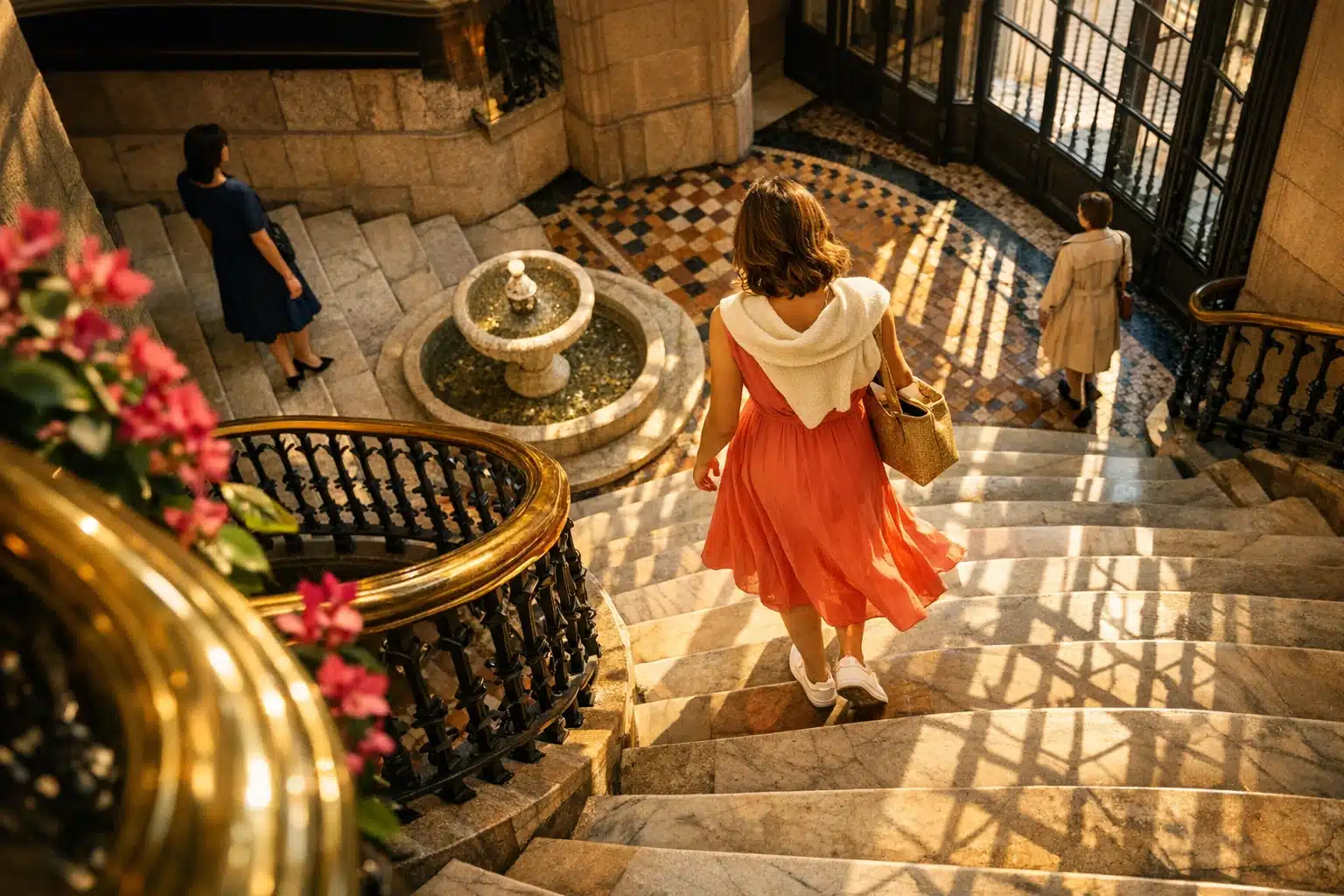
Slip dresses continue to hold their place because they are simple, elegant, and highly adaptable. On their own, they can feel minimal and refined. Layered under a cardigan, leather jacket, or oversized knit, they become far more casual. The reason slip dresses keep returning is straightforward: they work as both foundation and statement. Yet they are not identical to knit dresses, which offer more coverage, more texture, and often more day-to-day practicality. Knit dresses, particularly ribbed midis, are favored by people who want softness, stretch, and a clean vertical line. They are especially effective with boots, flats, or sneakers.
- Shirt dresses suit polished daytime dressing and structured layering.
- Wrap dresses offer flexibility and clear waist definition.
- Slip dresses excel at minimal styling and easy layering.
- Knit dresses bring comfort, texture, and season-to-season wearability.
- Tiered and smocked midis add movement and a softer, more relaxed feel.
Tiered dresses and smocked dresses deserve mention too because they speak to the softer side of current fashion. They tend to feel breezier, more casual, and easier to wear on warm days. While they may not always read as formal as a sleek column silhouette, they do offer charm, movement, and comfort. In short, the most popular styles are not competing for one crown. Each earns its place by serving a different kind of day, mood, or setting.
Fabrics, Colors, Prints, and Details That Make a Dress Feel Current
A dress silhouette may shape the first impression, but fabric and finish often determine whether the piece feels seasonal, modern, and worth wearing repeatedly. This season, material choice is doing a great deal of the visual work. Breathable cotton, airy linen blends, soft jersey, light knits, and fluid satins are among the most noticeable options because they answer a practical question: how should a dress feel when it is actually on the body? That question matters. A beautiful cut can lose its appeal quickly if the fabric wrinkles excessively, clings in the wrong places, or demands constant adjustment.
Natural and natural-feel fabrics are especially relevant because they support comfort in changing temperatures. Cotton poplin gives shirt dresses crisp shape, while linen adds texture and a relaxed finish that many people now prefer over a perfectly pressed look. Jersey and ribbed knits continue to be popular for everyday styles because they stretch, travel reasonably well, and pair naturally with simple footwear. Satin and similar fluid weaves add a more dressed-up note, especially in slip or bias-cut designs, but even these are often styled down now with sandals or low-profile sneakers. The message is clear: fabric no longer decides whether a dress belongs only to day or night.
Color is equally important. Soft neutrals, earthy tones, black, navy, and creamy whites remain strong because they offer longevity and easy coordination. At the same time, richer shades such as tomato red, cobalt, moss green, and deep plum often appear as accent colors for people who want a wardrobe lift without relying on busy prints. Prints themselves are present, but there is a noticeable preference for patterns that feel wearable rather than chaotic. Small florals, painterly motifs, subtle stripes, checks, and abstract geometrics tend to have more staying power than novelty prints because they are easier to accessorize and less likely to feel dated after one season.
Small design details are where many dresses quietly become memorable. A square neckline can make a simple dress look sharper. A drop waist can shift the entire mood from classic to fashion-forward. Contrast stitching, covered buttons, soft pleating, side slits, and carefully placed seams all influence how a dress reads. These are not minor choices. They change proportion, movement, and styling potential. A plain black midi in a flat fabric may feel forgettable, while the same black midi with a defined shoulder, textured weave, and subtle slit feels intentional.
- Cotton and linen blends are favored for breathability and shape.
- Jersey and knit fabrics support comfort and everyday use.
- Neutral palettes improve versatility, while saturated colors add energy.
- Subtle prints usually offer more repeat wear than loud novelty motifs.
- Details such as necklines, seams, and sleeves can modernize a simple piece.
In the end, what makes a dress feel current is often not one dramatic trend but a thoughtful combination of fabric, color, and finish. Fashion can whisper just as effectively as it shouts, and this season many of the most attractive dresses are speaking in a confident, measured tone.
Everyday Dress Styling Ideas That Feel Effortless but Intentional
Knowing which dresses are popular is helpful, but knowing how to style them for ordinary life is what turns interest into usefulness. Everyday dress styling works best when it begins with function. Before choosing shoes or jewelry, it helps to ask a few grounded questions. Will you be walking a lot? Moving between indoor and outdoor temperatures? Meeting clients, grabbing groceries, seeing friends, or traveling? The answers shape the outfit more effectively than copying a photo without context. A dress should not feel like a fragile idea that only survives in perfect lighting.
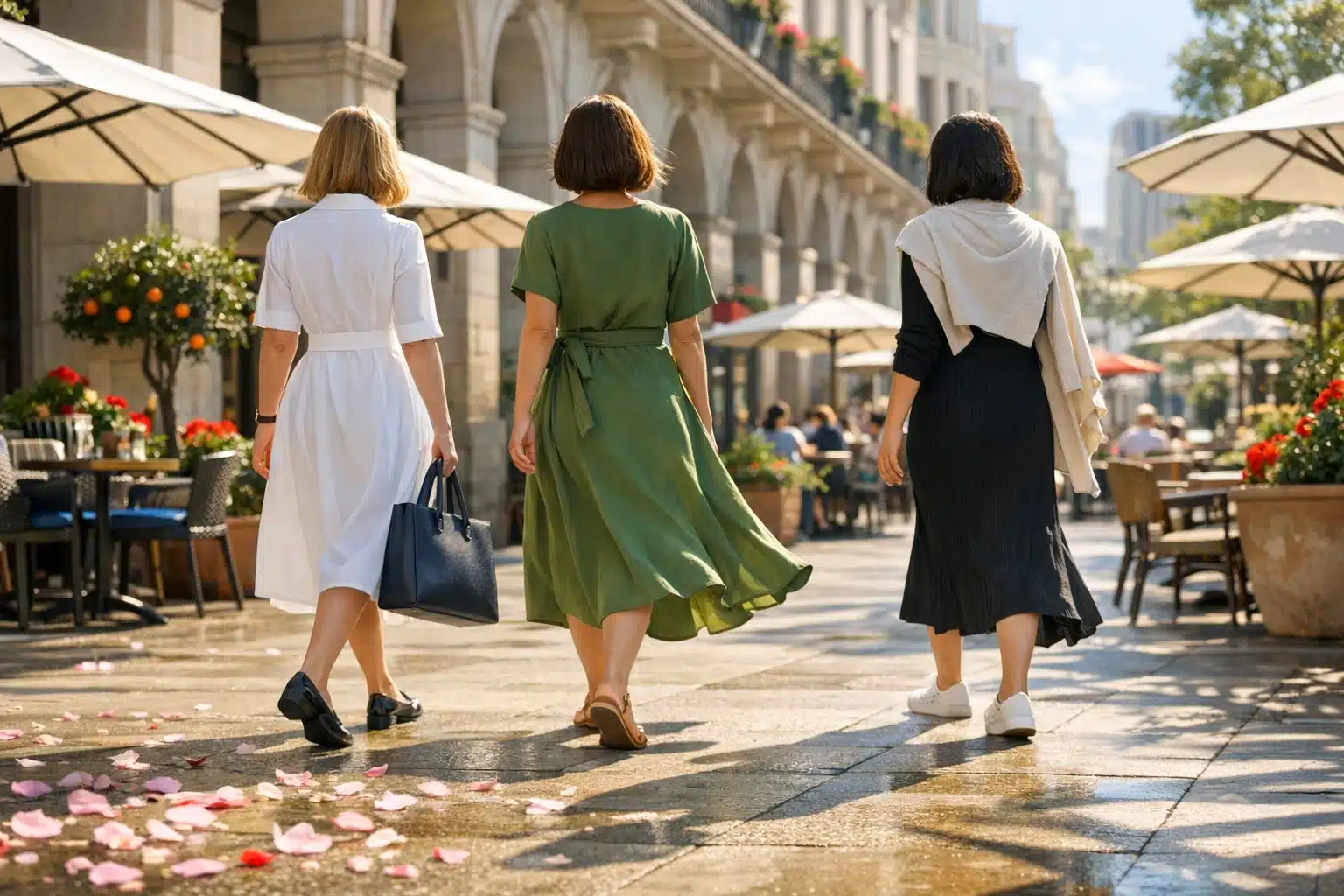
For workdays, shirt dresses and knit midis are among the easiest options because they already contain a sense of order. A belt can add definition, but it is not always necessary. Loafers, low heels, ballet flats, or polished ankle boots keep the look grounded. A blazer adds authority, while a fine cardigan softens the impression. If the dress has volume, keep the outer layer sharper. If the dress is narrow and sleek, a slightly oversized jacket can create appealing contrast. The goal is balance, not uniformity.
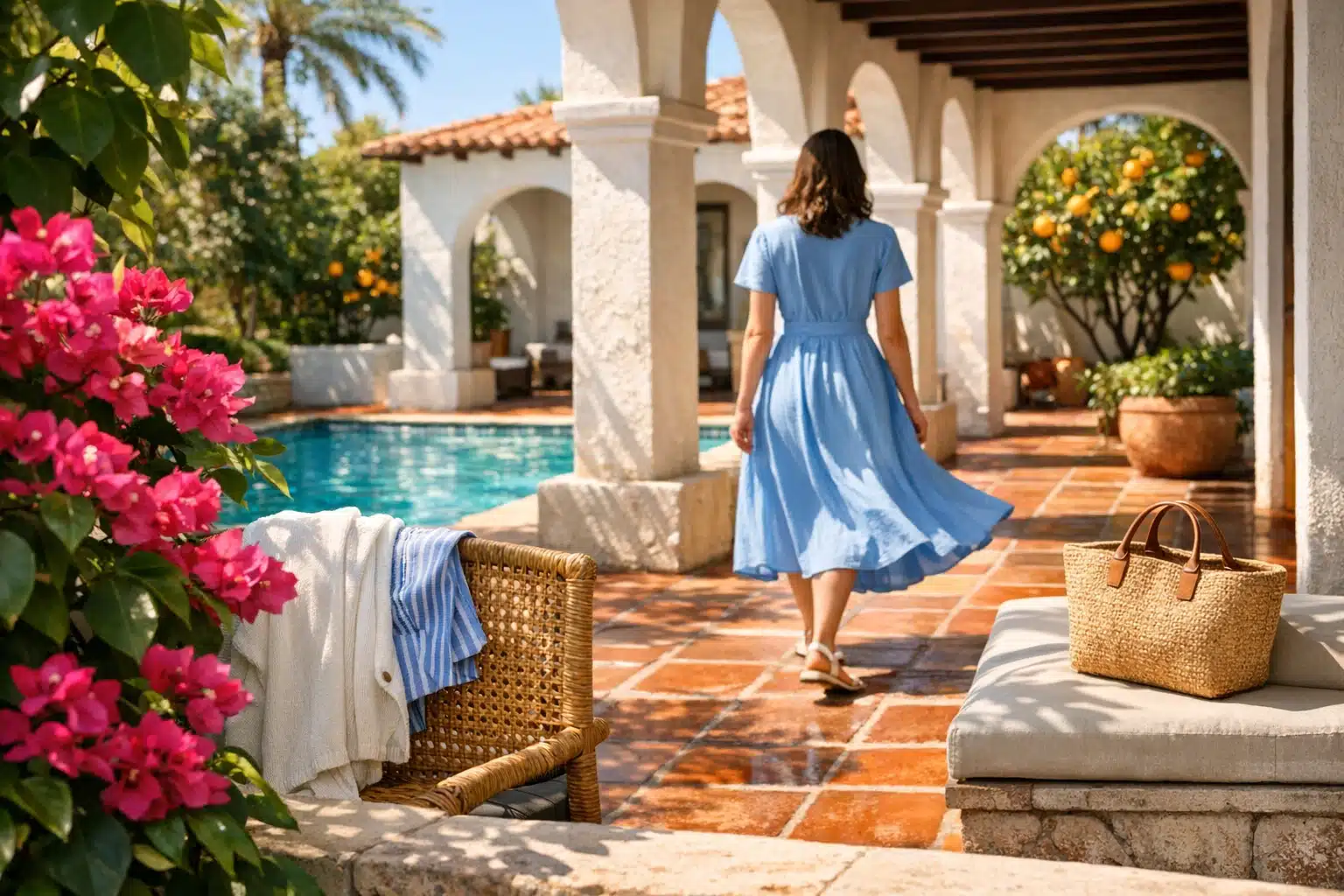
For weekends and casual errands, styling becomes more playful. A tiered cotton midi with flat sandals, a woven tote, and sunglasses gives an easy warm-weather look that still feels put together. A simple jersey dress with white sneakers and a crossbody bag can handle café stops, market runs, and travel days with very little fuss. On cooler days, add a denim jacket or light trench. One of the smartest styling principles is to let one piece carry the mood while the others support it. If the dress has print or volume, keep accessories quiet. If the dress is minimal, use accessories to add texture, color, or shine.
Evening or dinner styling does not always require a separate wardrobe. A slip dress can shift tone quickly with a change of shoes, a more defined lip color, or sculptural jewelry. A black knit dress can become sharper with a heeled sandal and compact shoulder bag. A wrap dress in a deep tone can do the work of an occasion piece when paired with elegant earrings and a refined sandal. These are not complicated transformations, which is why dresses remain so valuable. They provide a complete visual base in one move.
- For the office: shirt dress, loafers, structured tote, and a light blazer.
- For weekends: cotton midi, sandals or sneakers, woven bag, and simple jewelry.
- For travel: wrinkle-friendly knit or jersey dress, crossbody bag, and layerable jacket.
- For dinner: slip or wrap dress, cleaner accessories, and one elevated finishing touch.
The most successful everyday styling idea is also the simplest: repeat what works. If you discover that one dress consistently pairs well with sneakers, a trench, and a medium tote, that is not boring. It is a formula, and formulas make personal style more reliable. Fashion becomes more enjoyable when it supports life instead of interrupting it.
Conclusion: Choosing Dresses That Work for Your Life
If you are building or refreshing your wardrobe this season, the smartest approach is not to chase every new detail but to identify the kinds of dresses that genuinely fit your routine. Trends can be useful signals, but they matter most when translated into clothing you will actually wear. A dramatic runway idea may inspire a silhouette, sleeve, or color, yet the final choice should still support comfort, confidence, and frequency of use. That is the real measure of value in fashion: not whether a dress looks exciting for one day, but whether it remains appealing after the first burst of novelty fades.
For many readers, that will mean starting with a versatile foundation. A reliable shirt dress, a flattering wrap dress, a soft knit midi, or a simple slip dress can cover a surprising range of occasions when styled thoughtfully. From there, texture, print, and accessories can shape personality. This is where seasonal awareness becomes practical rather than overwhelming. You do not need ten new dresses to feel current. Often, one or two well-chosen additions can update everything else in your closet by opening fresh styling options with jackets, shoes, belts, bags, and jewelry you already own.
It is also worth remembering that personal style develops through repetition and refinement, not constant replacement. You may discover that a defined waist feels best on you, or that you prefer column shapes over tiered skirts, or that solid colors serve you better than prints. Those preferences are useful information. They help you filter trends instead of feeling pressured by them. Fashion becomes less noisy when you know which dress shapes support your schedule, your climate, and your taste.
For the target audience of this topic, the takeaway is encouraging: this season offers plenty of room for individuality. The current dress landscape is broad enough to include romance, simplicity, structure, softness, and practicality all at once. Whether you are shopping for everyday ease, a more polished work rotation, or a few dependable outfits that can move from day to evening, there are strong options available. The best dress is not simply the one everyone is talking about. It is the one that meets your life where it is and still leaves a little room for delight.