These Are the Dresses People Are Choosing This Season
Dresses are having a practical, expressive moment, which is why the current wave of trends matters beyond fashion headlines. Shoppers are looking for pieces that feel polished without becoming precious, easy without seeming plain, and modern without demanding a complete wardrobe reset. That mix of wearability and personality makes seasonal dress choices worth understanding, especially for readers who want smarter outfits, fewer impulse buys, and more ways to style what they already own.
Outline:
1) The design details shaping seasonal dress trends, 2) the silhouettes gaining the most attention, 3) everyday styling ideas that make dresses more useful, 4) shopping guidance on fit, fabric, and value, and 5) a conclusion aimed at readers building a flexible wardrobe.
An overview of dresses people are choosing this season, focusing on design trends and versatile styling.
This Season’s Dress Trends Are Defined by Ease, Texture, and Adaptability
The strongest dress trends right now are less about spectacle and more about balance. Across retail assortments, lookbooks, and street styling, the mood is clear: people want dresses that look intentional yet remain easy to wear. Instead of extreme silhouettes, the season favors shapes that skim the body, allow movement, and work with layers. Midi lengths are still leading because they adapt well to flats, sandals, boots, and sneakers, while cleaner-cut maxis are becoming more common for anyone who wants coverage without heaviness. There is also a noticeable shift away from stiff formality. Even when a dress is tailored, it often feels softer through drape, gathered seams, or fluid fabric.
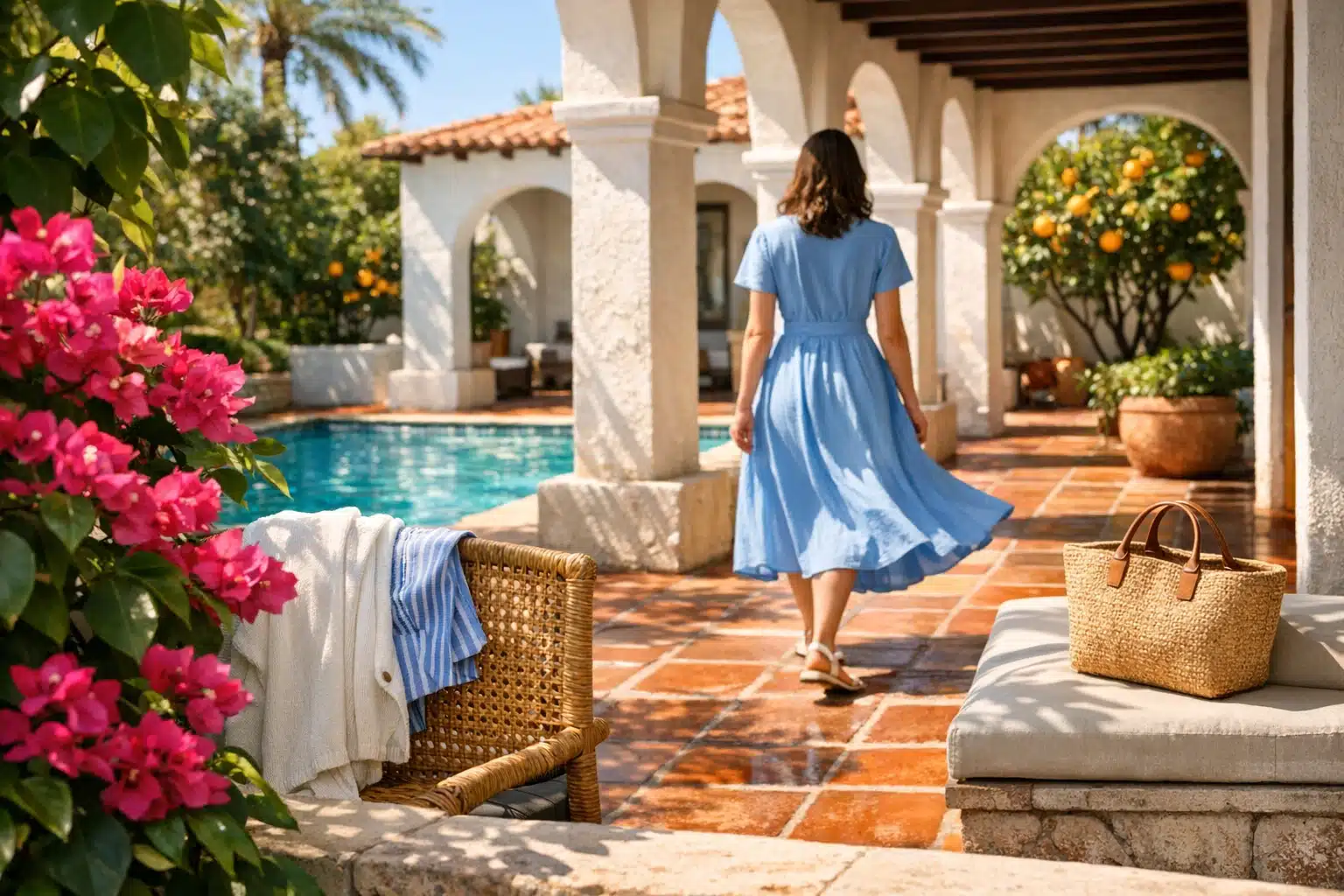
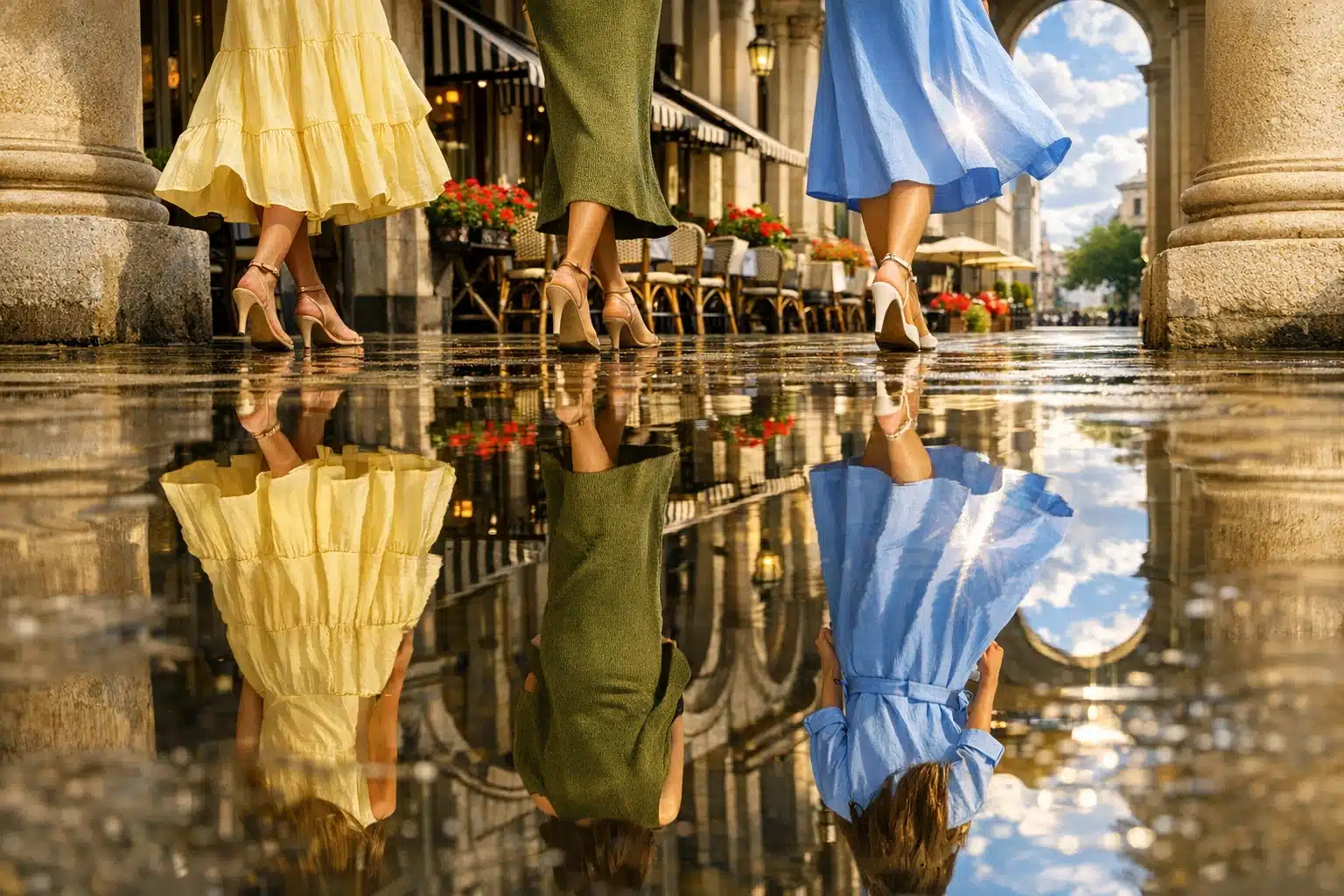
Color plays a major role in this softer direction. Neutral tones still anchor many collections, especially black, cream, camel, olive, and chocolate, but they are being refreshed by powder blue, pale yellow, clay, washed green, and muted floral mixes. These shades tend to be easier to repeat than louder novelty prints, which helps explain their popularity among shoppers thinking about wardrobe longevity. In prints, the emphasis is often on subtle pattern rather than loud decoration. Small florals, abstract brush motifs, stripes, and tonal textures give dresses personality without limiting how often they can be worn.
Fabric choices reinforce the same idea. Cotton poplin, linen blends, ribbed knits, soft denim, airy voile, and satin-touch weaves are doing well because they bridge comfort and polish. A dress in one of these materials can usually be restyled several ways, and that matters in a period when many people are buying more carefully. Cost per wear has become a practical filter, whether shoppers use that phrase or not.
Some recurring details show how the trend cycle is evolving:
• gentle waist shaping through ties, seaming, or smocking
• sleeves with volume that stop short of feeling theatrical
• useful pockets and unfussy closures
• necklines that frame jewelry well, such as square, boat, and soft V shapes
• hems designed to work across casual and smarter settings
What makes these trends especially relevant is that they suit real schedules. A dress now has to handle commuting, social plans, travel, and changing weather. That pressure has pushed fashion toward versatility, and the result is a season full of dresses that feel current without becoming difficult to live with.
Popular Dress Styles People Keep Returning to and Why They Work
If trends create the atmosphere, popular dress styles provide the actual wardrobe solutions. Several silhouettes are standing out this season because they answer different needs without feeling disconnected from the broader mood of fashion. The shirt dress remains one of the clearest examples. Its structure gives it polish, while its simplicity keeps it wearable. In cotton or linen, it works for daytime routines; in satin, darker tones, or sharper tailoring, it becomes an easy office or dinner option. That kind of range helps explain why it keeps reappearing in new collections.
The slip dress is another major presence, though it is being styled in a less formal, more layered way than in earlier cycles. Instead of reading as strictly eveningwear, it now appears over fine knits, under cardigans, or paired with oversized shirts and flat shoes. The result is quieter and more versatile. Knit dresses are also highly visible, especially column styles and ribbed midis. They appeal to shoppers who want comfort but still prefer a pulled-together look. A good knit dress often behaves like a shortcut outfit: one piece, little effort, strong result.
Wrap dresses continue to attract people for a practical reason: adjustability. Their shape can be customized, and that makes them useful for varying comfort preferences throughout the day. Fit-and-flare styles remain popular as well, particularly for anyone who likes movement and a classic outline. At the same time, looser tiered dresses, smock dresses, and drop-waist styles are drawing attention because they offer ease, airflow, and a more relaxed visual rhythm.
Here is where the most popular styles tend to shine:
• shirt dresses for work, travel, and polished daytime dressing
• slip dresses for layering and evening transitions
• knit dresses for comfort-led structure
• wrap dresses for adjustable fit
• tiered or smock dresses for weekends and warm-weather ease
• column dresses for a minimal, modern line
No single style is universally “best,” and that is part of the season’s appeal. The current dress market is broad enough to support different tastes, age groups, and routines. Someone who wants clean minimalism can choose a sleeveless column midi, while another person may feel more at home in a printed gathered dress with sleeves and texture. Popularity today is less about conformity and more about usefulness paired with personality.
Everyday Dress Styling Ideas That Make One Piece Feel Like Many Outfits
A dress can be the quiet hero of an ordinary week. On rushed mornings, it removes the puzzle of matching separates. On slower days, it becomes a canvas for accessories, layers, and mood. That flexibility is exactly why everyday dress styling matters so much this season. The goal is not to make one garment do impossible things, but to show how small changes can shift the same dress across several contexts without strain.
For work or study, the simplest formula is often the most effective: a midi dress, a structured layer, and practical shoes. A knit column dress with a blazer and loafers looks composed without becoming rigid. A shirt dress with a belt, tote, and low heel creates a crisp effect for meetings or presentations. If the environment is casual, clean sneakers and a lightweight trench keep the outfit relaxed while still intentional. Jewelry should support, not overwhelm. A watch, small hoops, or one pendant necklace usually does enough.
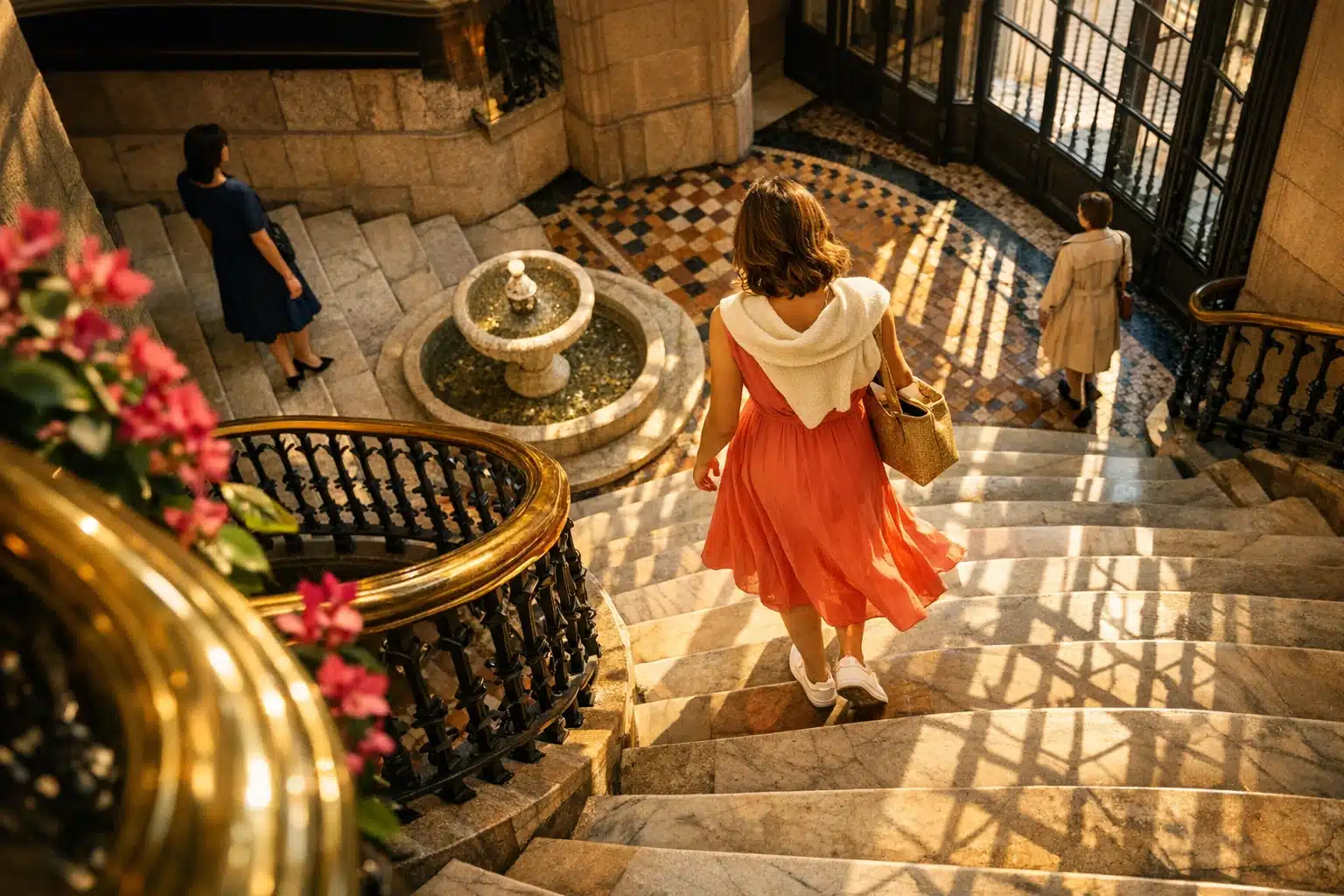
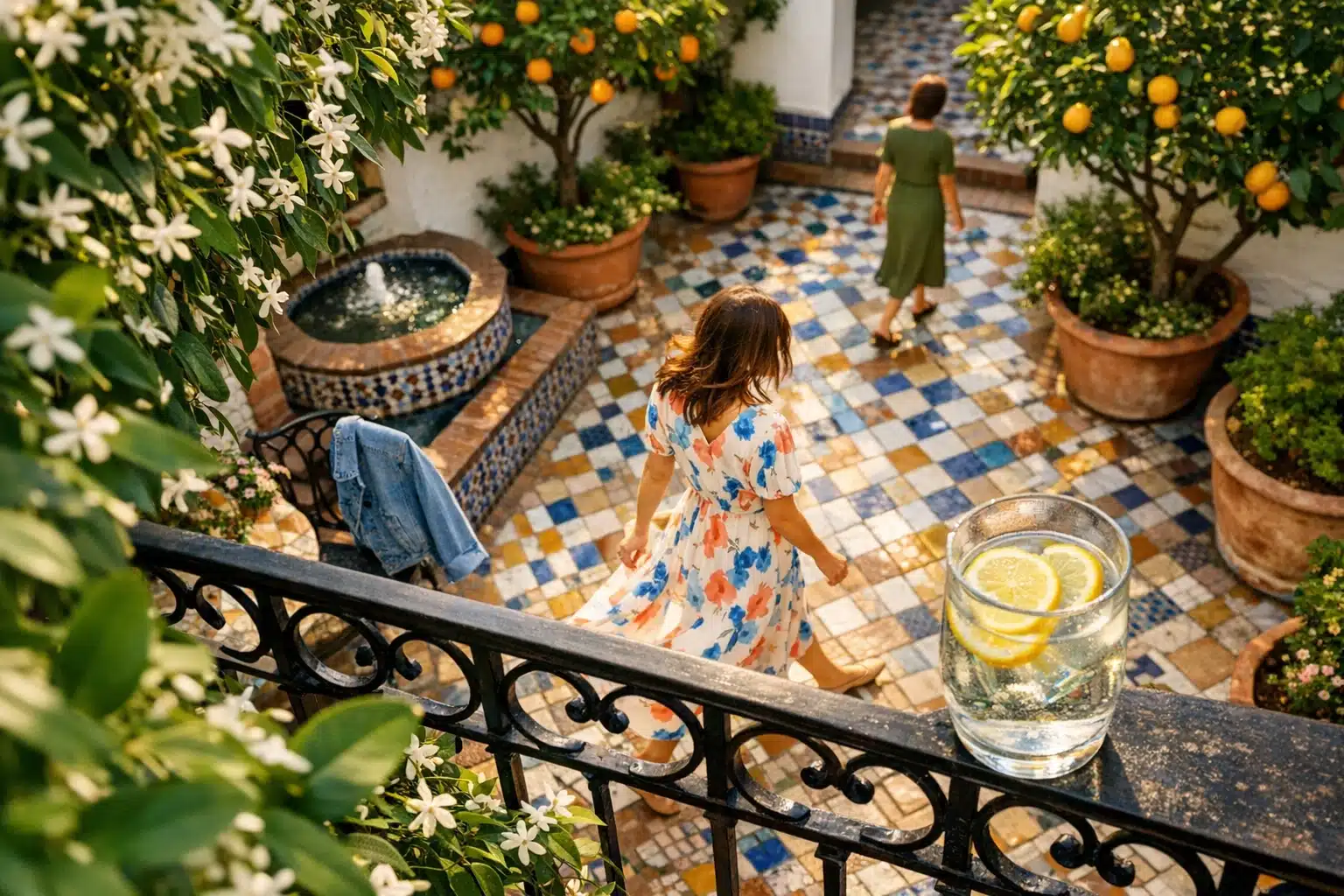
For errands, lunches, or weekend plans, softer styling works well. A cotton midi with white trainers, a denim jacket, and a crossbody bag feels effortless because it is built from familiar pieces. A tiered dress with flat sandals and a woven tote leans breezy without drifting into costume. On cooler days, adding a crewneck sweater over a dress can make it read like a skirt outfit, which instantly expands its use. This kind of layering is practical and budget-friendly because it increases the number of combinations already available in a wardrobe.
For evening, contrast often creates the best result. A simple black or deep-toned slip dress can shift with a cropped jacket, sharper earrings, and heeled sandals. A minimalist column dress becomes more dramatic when paired with sculptural jewelry or a bold lip. The dress itself does not need to be flashy if the styling is thoughtful.
Useful styling formulas include:
• midi dress + blazer + loafers for weekdays
• printed dress + sneakers + denim jacket for casual hours
• knit dress + long coat + boots for transitional weather
• slip dress + cardigan + flats for understated dinners
• shirt dress + belt + sandals for easy warm-weather polish
The most effective everyday styling idea is to treat dresses as regular wardrobe tools rather than event pieces. When they are anchored with familiar shoes, reliable outerwear, and simple accessories, they become easier to wear often, which is exactly what most people want from modern fashion.
How to Choose the Right Dress for Your Lifestyle, Budget, and Personal Taste
Buying a dress well is not only about trend awareness; it is also about fit, fabric, routine, and value. A dress can look beautiful on a hanger and still fail in daily life if the material wrinkles immediately, the neckline needs constant adjustment, or the hem only works with one pair of shoes. That is why the smartest shopping approach begins with questions rather than impulse. Where will this dress actually be worn? How many months of the year can it work? Can it be layered? Does the fabric suit the climate? A thoughtful purchase usually survives far longer than a trend-driven rush.
Fabric is often the first real indicator of quality. Natural fibers and sturdy blends tend to hang better, breathe more comfortably, and age more gracefully, though construction matters just as much. Check the lining, seam finish, closure strength, and how the garment moves when you walk or sit. If a dress looks good only when you are standing still, it may not be a practical choice. Care instructions also deserve attention. Dry-clean-only pieces have a place, but many shoppers are better served by dresses that can be washed at home and worn frequently without special handling.
Fit should be understood in personal rather than prescriptive terms. Instead of chasing old body-shape rules, it helps to focus on proportion, comfort, and intention. Ask whether you want definition at the waist, length through the torso, ease at the hip, or more room through the sleeve. A great dress does not force you into someone else’s formula. It supports how you want to feel and move.
A useful shopping checklist looks like this:
• choose a fabric that matches your climate and schedule
• test whether the dress works with at least two shoe options
• check if a jacket, cardigan, or coat can layer over it cleanly
• consider whether the color suits items you already own
• estimate cost per wear instead of focusing only on price
Trends can still play a role, but timelessness often comes from styling rather than from the dress alone. A current color, a fresh neckline, or a new proportion can update your wardrobe without making it disposable. The most successful purchase is usually the one that earns repeat wear because it feels like you, not because it briefly dominated a feed.
Conclusion: Build a Dress Wardrobe That Feels Current and Genuinely Useful
For readers trying to make smarter style decisions this season, the main takeaway is reassuring: you do not need a closet full of dramatic statement pieces to look current. The dresses gaining attention now succeed because they combine ease, versatility, and enough design interest to feel fresh. That could mean a clean-lined midi in a strong neutral, a shirt dress that works from desk to dinner, a relaxed tiered style for weekends, or a knit column dress that becomes a reliable uniform. What matters most is not chasing every silhouette, but identifying which few shapes genuinely support your life.
If your routine moves between work, casual plans, errands, and occasional social events, start with dresses that can change character through styling. Shoes, layers, and accessories do more than many shoppers assume. A pair of trainers can make a dress more approachable, a belt can sharpen the line, and a structured jacket can add authority. These small changes are often more useful than buying new items for every separate occasion.
There is also a practical advantage to approaching the season this way. Choosing dresses with repeat potential helps control clutter, improves cost per wear, and makes getting dressed easier on ordinary days. Fashion becomes less about constant replacement and more about using good pieces well. That mindset tends to create better wardrobes over time because it rewards clarity, not excess.
If you are deciding what to add next, focus on three things: fabric that feels good on the body, a silhouette that matches your pace of life, and styling options already available in your closet. When those elements align, a dress stops being a one-off purchase and starts becoming a dependable part of your weekly rotation. That is the real appeal of this season’s dress trends: they leave room for personality, but they never forget the reality of how people actually get dressed.