These Are the Handbags People Are Choosing This Season
A handbag now does more than finish an outfit; it shapes how a day moves, from commute to dinner plans. This season’s choices reflect a practical mood, with softer structures, rich textures, and colors that slip easily into a real wardrobe. Shoppers are gravitating toward pieces that feel modern without being difficult to wear. That makes current bag trends worth following for anyone who wants style, function, and longevity in the same purchase.
Outline
• An overview of handbags people are choosing this season, focusing on design trends and versatile styling. • A breakdown of popular bag styles and how they compare in daily life. • A look at materials, colors, and hardware details shaping the market right now. • Practical advice for styling handbags with workwear, denim, dresses, and travel outfits. • A concluding guide to choosing a bag that suits your wardrobe, budget, and routine.
What Defines Handbag Trends This Season
The strongest handbag trends this season are not driven by novelty alone. Instead, they reflect a wider shift in how people dress now: wardrobes are expected to work harder, pieces need to move between settings, and accessories are judged as much by function as by appearance. That is why many of the bags gaining attention right now balance polish with ease. Shoppers are choosing silhouettes that look intentional without feeling stiff, and roomy enough to carry real-life essentials without drifting into oversized, cumbersome territory.
One visible trend is the return of softer structure. Slouchy shoulder bags, hobos, and easy top-handle styles feel relaxed, but they are still refined enough for office wear or evening plans. In contrast, the ultra-rigid bags that once signaled formality are appearing in more edited form, often with cleaner lines and less decorative fuss. Another notable direction is the rise of east-west shapes, which sit neatly under the arm and give a streamlined look to both tailored outfits and casual layers. Their appeal is simple: they feel directional, but not costume-like.
Several design details are also shaping what shoppers notice first:
• elongated rectangular profiles that tuck close to the body
• wider straps that improve comfort during long wear
• softer leather or suede finishes that add depth without loud branding
• detachable straps that allow one bag to shift from handheld to shoulder wear
• interior compartments that make daily use more practical
Versatility is the quiet engine behind many of these choices. A bag is increasingly expected to survive a full day, not just a photograph. That means zip closures matter, lightweight construction matters, and thoughtful proportions matter. Recent retail assortments across contemporary and premium fashion show this clearly: the most visible bags are not always the flashiest ones, but the ones with the widest styling range. They pair with blazers, denim, knits, and dresses without asking the wearer to reinvent everything else in the closet. In a way, this season’s best handbags behave like the most reliable person in the room: calm, useful, and somehow always appropriate.
Popular Bag Styles and Why They Keep Winning
If this season has a central lesson, it is that familiar bag shapes are not disappearing; they are being refined. Popular bag styles continue to succeed because each one answers a different lifestyle need. The tote remains essential for work, commuting, and anyone who regularly carries a laptop, notebook, water bottle, or extra layer. Its strength is capacity. A good tote can make a hectic morning feel less chaotic, especially when it has a firm base and interior pockets. However, totes can look bulky if the proportions are off, so current versions often come with slimmer handles, cleaner silhouettes, and less visual clutter.
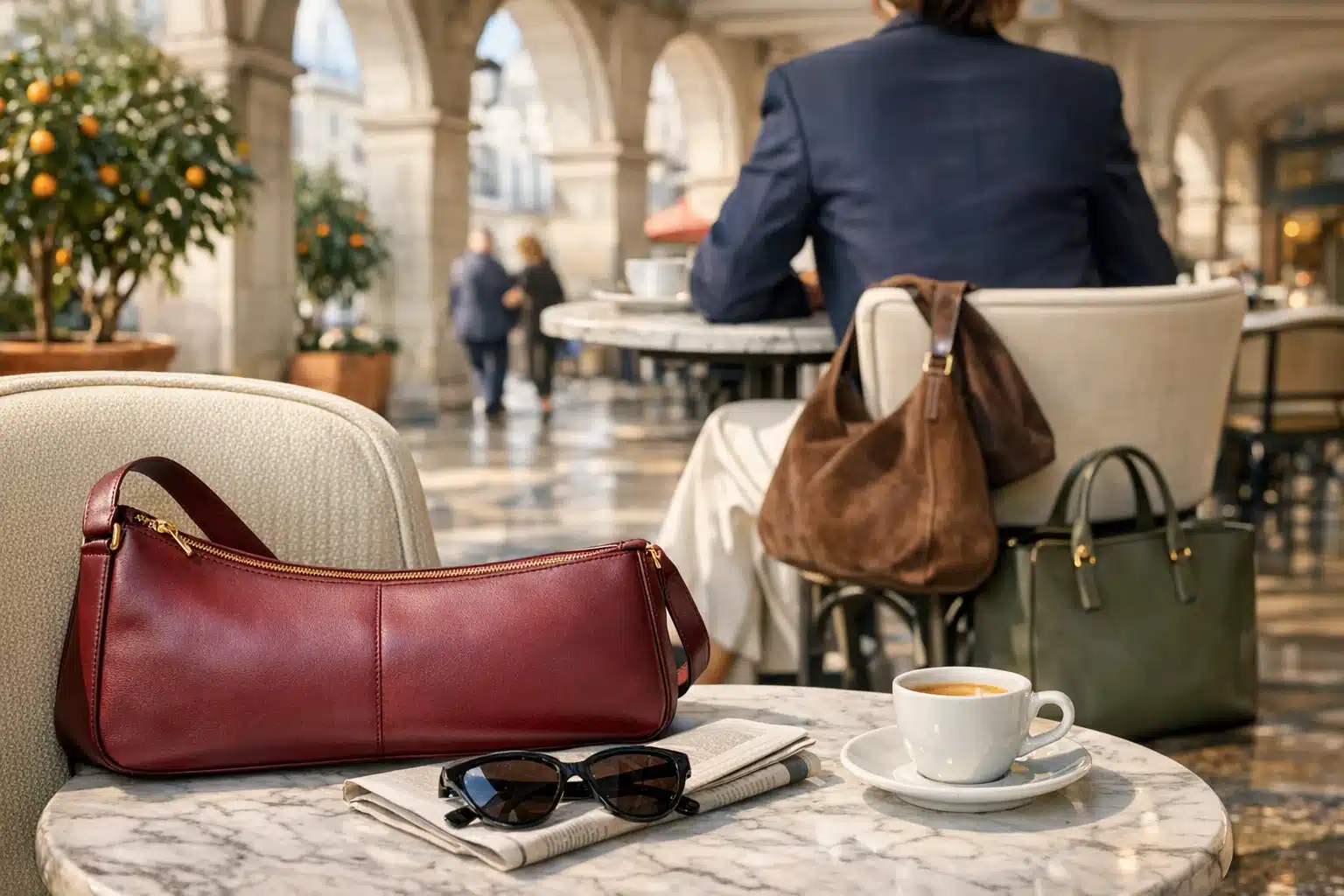
Shoulder bags are having a particularly strong moment because they sit at the intersection of usefulness and style. They feel more dressed than a basic crossbody, yet are usually easier to wear than a formal top-handle. The baguette-inspired shape, the east-west shoulder bag, and the softly curved hobo all fit into this category. These styles work well for people who want a bag that blends into daily dressing but still adds shape near the upper body, where it becomes part of the outfit rather than an afterthought.
Crossbody bags remain popular for a different reason: movement. They free the hands, distribute weight more evenly, and suit city life, travel days, and errand-heavy schedules. While tiny versions once dominated trend cycles, current crossbodies are often slightly larger and more practical. Bucket bags are also gaining renewed interest because they offer generous space with a softer visual line than a structured satchel. Satchels, meanwhile, still appeal to people who prefer organization and a more polished look.
Here is how these styles compare in everyday terms:
• Tote: best for work, study, and long days away from home
• Shoulder bag: ideal for balanced day-to-night wear
• Crossbody: strongest choice for comfort and mobility
• Bucket bag: good for casual outfits with more carrying space
• Satchel or top-handle: suited to smart dressing and cleaner lines
The reason these styles endure is not mysterious. They solve repeat problems. They answer questions like: Will this fit what I need, feel comfortable on the move, and still look right with most of my wardrobe? Fashion loves drama, but personal style usually rewards consistency. The bags that keep winning are the ones people can actually live with.
Materials, Colors, and Hardware Details Shaping the Mood
Silhouette may get most of the attention, but materials and finishes often determine whether a handbag feels current, classic, or forgettable. This season, texture is doing a lot of the talking. Smooth leather is still a dependable choice, especially in structured designs, yet softer pebbled leather, suede, brushed finishes, and woven effects are gaining traction because they add dimension without depending on logos or heavy embellishment. When a bag has a simple shape, surface character becomes especially important. A plain outfit can suddenly feel thoughtful when paired with a bag that offers contrast in texture.
Suede is one of the clearest examples. It has returned strongly in many seasonal assortments because it softens sharp tailoring and adds warmth to transitional dressing. Brown suede shoulder bags and hobos in particular feel relevant now because they bridge smart and casual wardrobes with unusual ease. That said, suede requires more care than coated leather, especially in wet weather, so it tends to suit people who rotate bags rather than rely on one piece daily. Nylon also deserves attention. It may not carry the romance of leather, but it remains practical, lightweight, and ideal for commuters or frequent travelers.
Color choices this season are similarly grounded. Black never leaves, but it no longer has the whole conversation to itself. Rich chocolate, espresso, burgundy, olive, deep navy, cream, and muted tan are all strong options because they act like neutrals while still adding warmth or depth. These tones are easier to integrate than very bright statement colors, which is one reason they perform so well in retail. When shoppers invest in a bag, many prefer a shade that can work with wool coats, denim, tailoring, and knitwear rather than something tied to one season or one trend story.
Hardware matters more than many people realize:
• gold hardware often gives a softer, warmer finish
• silver hardware can feel sharper and more modern
• oversized buckles add character, but can limit versatility
• discreet zippers and tonal details usually extend a bag’s styling range
• contrast stitching can turn a simple design into a focal point
Taken together, these details explain why some bags feel fresh even when the shape is familiar. A classic tote in burgundy suede lands differently from the same tote in glossy black leather. A clean shoulder bag with minimal hardware reads differently from one loaded with chains and charms. Trends often enter quietly, through texture, proportion, and finish, long before the average shopper notices a major shift. The small choices are the ones that change the mood.
Everyday Handbag Styling for Work, Weekends, and Everything Between
Styling a handbag well is less about strict rules and more about proportion, context, and rhythm. The right bag should support the outfit rather than compete with it, and that begins with scale. If you are wearing a voluminous coat, wide-leg trousers, or layered knitwear, a very tiny bag can look visually lost. On the other hand, a large tote may overwhelm a slim dress or neat evening look. The easiest way to create balance is to match the visual weight of the bag to the outfit’s structure. A tailored blazer often suits a defined shoulder bag or satchel, while softer clothing pairs well with hobos, buckets, or relaxed totes.
For workwear, structured or semi-structured bags are usually the safest anchor. They sharpen simple outfits and make practical pieces look more intentional. A smooth leather tote with a blazer, shirt, and trousers reads efficient without being severe. An east-west shoulder bag can also work for offices that lean creative or smart casual. When styling for weekends, the mood changes. Denim, knitwear, loafers, sneakers, and casual outerwear often benefit from a bag with a little softness. This is where a slouchy hobo, a medium crossbody, or a bucket bag can shine.
A few outfit formulas make handbag styling easier:
• Straight-leg jeans, white shirt, trench coat, and a suede shoulder bag
• Wide trousers, knit polo, loafers, and a structured tote
• Simple midi dress, flat sandals or boots, and a compact top-handle bag
• Matching lounge set, long coat, and a clean crossbody for errands or travel
• Blazer, dark denim, ankle boots, and a burgundy baguette-style bag for dinner
Strap length is another underrated factor. A bag that sits too high can feel awkward with bulky layers, while one that hangs too low may look untidy and become uncomfortable. Detachable straps help because they allow the same bag to adapt across outfits. Internal organization also matters in styling more than people admit; when essentials are easy to reach, a bag gets carried with more confidence, and confidence changes the whole look. There is also room for personality. A silk scarf on the handle, a key charm, or a coin purse attached to the side can add character without overwhelming the design. Think of everyday styling as editing a room: the best result feels lived-in, useful, and quietly composed.
Conclusion: Choosing a Handbag That Fits Real Life
For most shoppers, the smartest handbag choice this season is not the loudest or the most instantly recognizable one. It is the bag that matches how life is actually lived. If your days involve commuting, laptops, and long hours out of the house, a refined tote or roomy shoulder bag will probably deliver more value than a miniature statement piece. If you move constantly and prefer practical dressing, a well-proportioned crossbody or medium bucket bag may serve you better. If your wardrobe leans polished, a structured satchel or top-handle design can bring consistency to what you already wear.
The easiest way to choose well is to start with three questions. First, what do you carry every day? Second, when will you use the bag most often? Third, what colors and textures already dominate your wardrobe? These answers narrow the field quickly. A beautiful bag that cannot hold your essentials or clashes with most of your clothes will spend more time on a shelf than on your shoulder. By contrast, a thoughtfully chosen bag gets worn repeatedly, which is where style and value finally meet.
It also helps to think in terms of wardrobe roles rather than isolated purchases:
• one dependable work or daily bag
• one lighter, more mobile option for weekends or travel
• one smaller piece for dinners, events, or evenings out
This kind of rotation is realistic for many people and prevents one bag from being forced into every situation. Material should follow routine as well. Pebbled leather hides wear well, nylon suits wet commutes, and suede adds richness when conditions are kinder. Neutral shades usually stretch further, but a deep burgundy or olive can function almost like a neutral if the rest of the wardrobe is grounded.
The good news for anyone shopping now is that current handbag trends favor wearability. Popular bag styles are not asking you to choose between beauty and function, and everyday handbag styling has become more flexible than rigid. The season rewards bags that feel useful, refined, and easy to repeat. In the end, the best choice is rarely the one that shouts the most. It is the one you reach for on ordinary mornings, then keep reaching for because it quietly makes getting dressed simpler.